Last Updated on November 30, 2025 by Oleg Levchenko
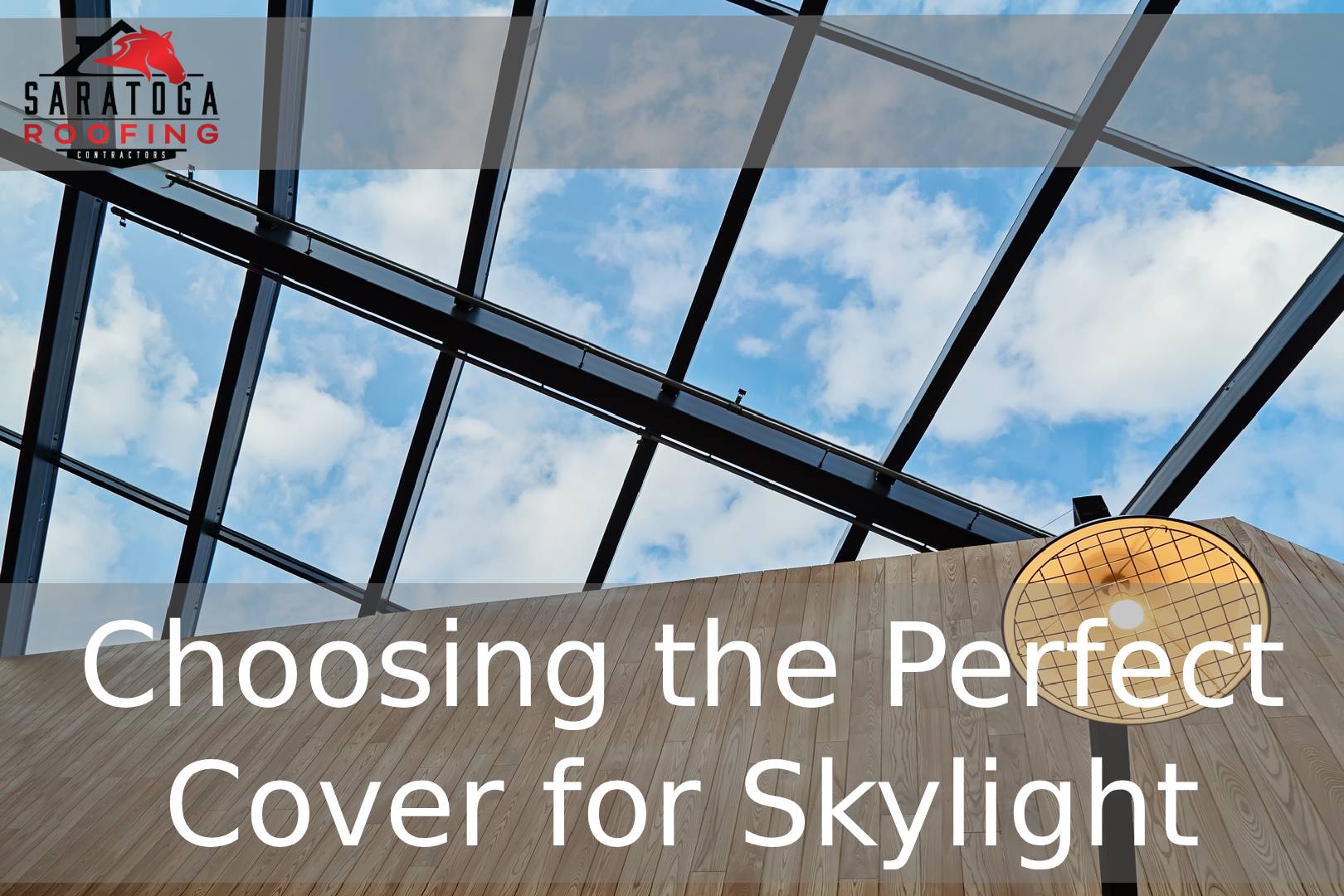
Skylight installations have surged in popularity as homeowners seek to bring more natural light into their spaces and reduce electricity costs.
However, without proper covering solutions, these beautiful architectural features can become sources of frustration.
While skylights add undeniable beauty and functionality to homes, they can create significant challenges without the right cover for skylight repair or installation.
Excessive heat gain, harmful UV radiation, uncomfortable glare, and energy inefficiency are just a few problems that proper skylight covers can solve.
In this comprehensive guide, you’ll discover the various types of skylight covers available, their unique benefits, and how to select the ideal solution for your specific needs.
Professional installation by experienced companies like Saratoga Roofing ensures your skylight cover performs optimally and maintains your roof’s integrity.
Why Every Skylight Needs a Cover
Uncovered skylights present several significant challenges that can impact your home’s comfort, energy efficiency, and interior preservation.
Understanding these issues is crucial for making an informed decision about skylight covering solutions.
Heat gain is perhaps the most immediate problem homeowners face with bare skylights.
During the summer months, direct sunlight streaming through glass can make rooms unbearably hot.
NOTE: The U.S. Department of Energy confirms that exterior skylight covers are up to 7 times more effective at blocking heat compared to interior solutions.
Rooms with uncovered skylights can become up to 15 degrees hotter than adjacent spaces, forcing your air conditioning system to work harder and driving up energy costs.
UV damage represents a long-term but costly concern for homeowners with unprotected skylights.
Harmful ultraviolet rays can fade furniture, carpets, artwork, and flooring over time, causing thousands of dollars in damage.
These same UV rays that damage your belongings can also contribute to skin damage if you spend extended time in direct skylight illumination.
Glare issues can make certain rooms virtually unusable during peak sunlight hours.
Home offices with computer screens become difficult to use, bedrooms may be too bright for comfortable sleep, and living areas can experience uncomfortable visual conditions.
NOTE: Proper skylight covers eliminate up to 99% of visible light when needed, allowing you to control illumination levels throughout the day.
Energy inefficiency extends beyond just cooling costs in the summer months.
During winter, uncovered skylights can allow significant heat loss, making your heating system work harder to maintain comfortable temperatures.
The dual benefit of light control and insulation makes skylight covers a year-round energy-saving investment.
Interior vs. Exterior Skylight Covers: What’s the Difference?
Understanding the fundamental differences between interior and exterior covering options is essential for making the right choice for your home.
Each approach offers distinct advantages and is suitable for different situations and requirements.
Interior skylight covers include shades, blinds, and cellular covers that mount inside your home, typically within the skylight well or on the interior frame.
These solutions excel at providing light control, privacy, and winter insulation while maintaining easy access for operation and maintenance.
Interior options allow for precise light adjustment throughout the day and can be integrated seamlessly with your home’s decor.
Exterior solutions mount on the outside of your skylight and create a barrier between the sun and your glass surface.
NOTE: Exterior covers are up to 7 times more effective at blocking heat because they prevent solar energy from ever reaching and heating up your skylight glass.
This approach stops up to 90% of heat before it enters your home, making it the superior choice for energy efficiency in hot climates.
When interior covers are most appropriate, consider factors like aesthetic integration, easy operation, and winter insulation needs.
Interior solutions work well in moderate climates where extreme heat isn’t a constant concern, and they’re ideal when you want seamless integration with your room’s design.
Custom interior blinds and cellular shades can provide excellent insulation while maintaining the ability to enjoy natural light when desired.
Exterior covers become essential in hot climates or for skylights that receive intense direct sunlight.
They’re also necessary when maximum energy efficiency is the primary goal or when interior space constraints make internal solutions impractical.
Popular Interior Cover Options
Interior skylight covers offer versatility, convenience, and aesthetic integration that make them popular choices for many homeowners.
Each type provides unique benefits suited to different room functions and personal preferences.
Blackout Shades
Blackout shades represent the most effective interior solution for complete light control.
These covers block 99% of visible light, making them perfect for bedrooms where complete darkness is essential for quality sleep.
Made from Mylar-coated polyester material measuring 3/8 inches thick, blackout shades provide excellent light-blocking capabilities while offering some insulation benefits.
Home theaters and media rooms benefit significantly from blackout skylight shades because they eliminate screen glare and create optimal viewing conditions.
Available in multiple colors, including Taupe 3824, Blue 3832, Yellow 3810, and White 3922, these shades can complement your interior design while providing maximum functionality.
NOTE: Blackout shades are customizable for sloped, horizontal, or vertical skylight positions, ensuring a perfect fit regardless of your skylight’s orientation.
The insulation properties of blackout shades help reduce energy bills during winter by creating an additional barrier between your interior space and the cold exterior.
However, they’re less suitable for living rooms or spaces where natural light is desired during daytime hours.
Cellular (Honeycomb) Shades
Cellular shades excel at providing winter insulation while maintaining aesthetic appeal.
Their unique cellular structure creates air pockets that act as an effective insulating barrier, trapping air to create a buffer between the outside cold and inside warmth.
This honeycomb design can boost wintertime insulation by up to 50%, making rooms more comfortable while reducing heating costs.
Available in various thicknesses, cellular shades offer options from light filtering to room-darkening capabilities.
The thicker the cellular construction, the better the insulation properties, allowing you to balance light control with energy efficiency based on your specific needs.
NOTE: Cellular shades provide the ideal balance between light control and energy efficiency, making them suitable for living areas where you want both natural light and thermal performance.
The installation of cellular shades is straightforward, and their versatility makes them suitable for most interior skylight applications.
The variety of colors and opacity levels available ensures you can find cellular shades that complement your decor while providing the desired level of light control.
Motorized Shades
Motorized skylight shades offer unparalleled convenience and smart home integration capabilities.
These systems provide seamless light control with the touch of a button, remote control, or voice command, making them ideal for hard-to-reach skylights that would otherwise be difficult to operate manually.
Integration with smart home systems like Amazon Alexa, Google Home, and Apple HomeKit allows for automated operation based on time of day, weather conditions, or occupancy sensors.
NOTE: Motorized shades include manual override features for power outages, ensuring you maintain control even during electrical interruptions.
Safety features prevent accidental pinching or damage, making motorized systems appropriate for homes with children or pets.
These systems can be retrofitted to existing shades in many cases, allowing you to upgrade your current skylight covers without complete replacement.
The convenience factor makes motorized shades particularly valuable for skylights in bedrooms where you might want to open or close covers without getting out of bed.
They also enhance security and privacy by allowing remote operation when you’re away from home.
Exterior Covering Solutions That Work
Exterior skylight covers provide superior heat blocking and energy efficiency compared to interior solutions by stopping solar energy before it reaches your skylight glass.
These solutions are particularly effective in hot climates where interior cooling costs are a significant concern.
EZ Snap® Thermo-Weave™ Mesh
EZ Snap’s Thermo-Weave™ mesh represents a breakthrough in exterior skylight covering technology.
This innovative material blocks up to 90% of the sun’s heat and UV rays while maintaining visibility through your skylight.
The optical-grade design reduces distortion and allows ambient light to continue illuminating your space without the intense heat typically associated with direct sunlight.
The proprietary “Non-Fray” bonded mesh construction ensures durability and longevity even in harsh weather conditions.
Dimensionally stable materials with super-strong core fibers resist stretching, sagging, or deterioration over time.
NOTE: This mesh solution blocks heat WITHOUT blocking your view, making it ideal for skylights where you want to maintain the visual connection to the outside.
DIY installation kits make this solution accessible to most homeowners without requiring professional installation.
Patented “No-Drill” fasteners use 3M™ VHB extreme hold adhesive that bonds securely without compromising your skylight or roof integrity.
The system fits any size or shape skylight and can be cut to size on-site without hemming or special tools.
Universal compatibility includes glass, polycarbonate, and acrylic skylights from major brands like Velux, Fakro, and Pella.
For domed skylights, AirFlow suction cup spacers maintain a 1-inch air gap to optimize thermal performance and prevent condensation.
Custom Exterior Covers
Custom exterior covers provide maximum protection for skylights in extreme climates or specialized applications.
These solutions offer comprehensive protection against heat gain in summer and heat loss in winter while providing UV protection that preserves interior furnishings.
Customization options include pyramid shapes, flat bent designs, barrel vaulted configurations, and standard rectangle or square covers.
Professional fabrication ensures a perfect fit and optimal performance for your specific skylight dimensions and roof configuration.
NOTE: Custom covers should be completely waterproof and properly sealed to maintain your roof’s weather resistance.
Precision measurement of your skylight frame’s width and length is essential for proper fit and performance.
Gaps between the cover and frame must be sealed with weatherproof sealant to prevent air infiltration and moisture issues.
Professional installation is typically recommended for custom exterior covers to ensure proper sealing and structural integrity.
Making the Right Choice for Your Home
Selecting the ideal cover for skylight installations requires careful consideration of multiple factors, including climate, room usage, budget, and maintenance preferences.
A systematic approach ensures you choose the solution that best meets your specific needs.
Climate considerations should be your primary factor in the decision-making process.
In very hot climates with intense summer sun, exterior covers provide superior energy efficiency by preventing heat from ever reaching your skylight glass.
Moderate climates may benefit more from interior solutions that offer greater flexibility and easier seasonal adjustment.
NOTE: Consider your local weather patterns and seasonal temperature variations when evaluating different covering options.
Room usage determines the appropriate level of light control you’ll need from your skylight cover.
Bedrooms typically require blackout capabilities for quality sleep, while living areas may benefit from adjustable light filtering that maintains natural illumination while reducing glare and heat.
Home offices need glare control for computer screen visibility, while bathrooms may prioritize privacy along with light control.
Budget considerations include both initial investment and long-term operating costs.
While exterior covers may have higher upfront costs, their superior energy efficiency can provide significant long-term savings on cooling and heating expenses.
Interior solutions typically cost less initially but may result in higher energy consumption over time.
Maintenance requirements vary significantly between different covering types.
Interior shades require regular cleaning as dust accumulates on fabric surfaces, while exterior covers need periodic inspection to ensure weather seals remain intact.
Motorized systems may require occasional service of mechanical components, while simple manual shades offer minimal maintenance requirements.
Proper measurement and fit are crucial for effectiveness, regardless of which type of skylight cover you choose.
Gaps around covers allow heat transfer and reduce efficiency, while improperly fitted interior shades may not operate smoothly or provide complete coverage.
NOTE: Professional consultation can help ensure accurate measurements and proper installation for optimal performance.
Frequently Asked Questions
What type of cover for a skylight is most energy efficient?
Exterior covers are the most energy-efficient option because they prevent up to 90% of solar heat from reaching your skylight glass. The U.S. Department of Energy confirms that exterior shading is up to 7 times more effective than interior solutions. For maximum efficiency, consider EZ Snap® Thermo-Weave™ mesh or custom exterior covers that block heat while maintaining some visibility.
Can I install skylight covers myself?
Many interior skylight covers can be installed as DIY projects, including cellular shades, blackout shades, and some motorized systems.
How do I measure my skylight for a cover?
Accurate measurement requires measuring both the interior skylight opening and the exterior frame dimensions.
Will skylight covers affect my home’s natural light?
The impact of natural light depends on the type of cover you choose. Light-filtering options maintain ambient illumination while reducing glare and heat.
How often do skylight covers need maintenance?
Interior covers typically require monthly cleaning to remove dust and maintain appearance.
What’s the best skylight cover for bedrooms?
Blackout shades are ideal for bedrooms because they block 99% of visible light for optimal sleep conditions.
Can skylight covers help with winter heating costs?
Yes, interior covers provide excellent winter insulation. Cellular shades can boost wintertime insulation by up to 50% by trapping air in their honeycomb structure.
Are there skylight covers for unusual shapes?
Custom covers can be fabricated for any skylight shape, including pyramid, barrel vaulted, and curved configurations.
How much do skylight covers typically cost?
Interior shades range from $200-800 per skylight, depending on size and features. Motorized systems add $300-600 to the base price.
Will installing skylight covers void my skylight warranty?
Properly installed covers should not affect skylight warranties.

Oleg Levchenko is a co-founder of Saratoga Roofing Co., a licensed and insured roofing contractor serving Saratoga Springs and the Capital Region for nearly a decade.
Building runs in his family – his grandfather, a farmer and builder, rebuilt his village from the ground up after WWII, and that same resilience and craftsmanship shape how Oleg runs Saratoga Roofing today.
Under his leadership, the company has completed hundreds of roof, siding, and gutter projects across Saratoga, Albany, Rensselaer, and Washington Counties, backed by a leak-proof guarantee and a 4.9-star average rating.