Last Updated on June 8, 2026 by Oleg Levchenko
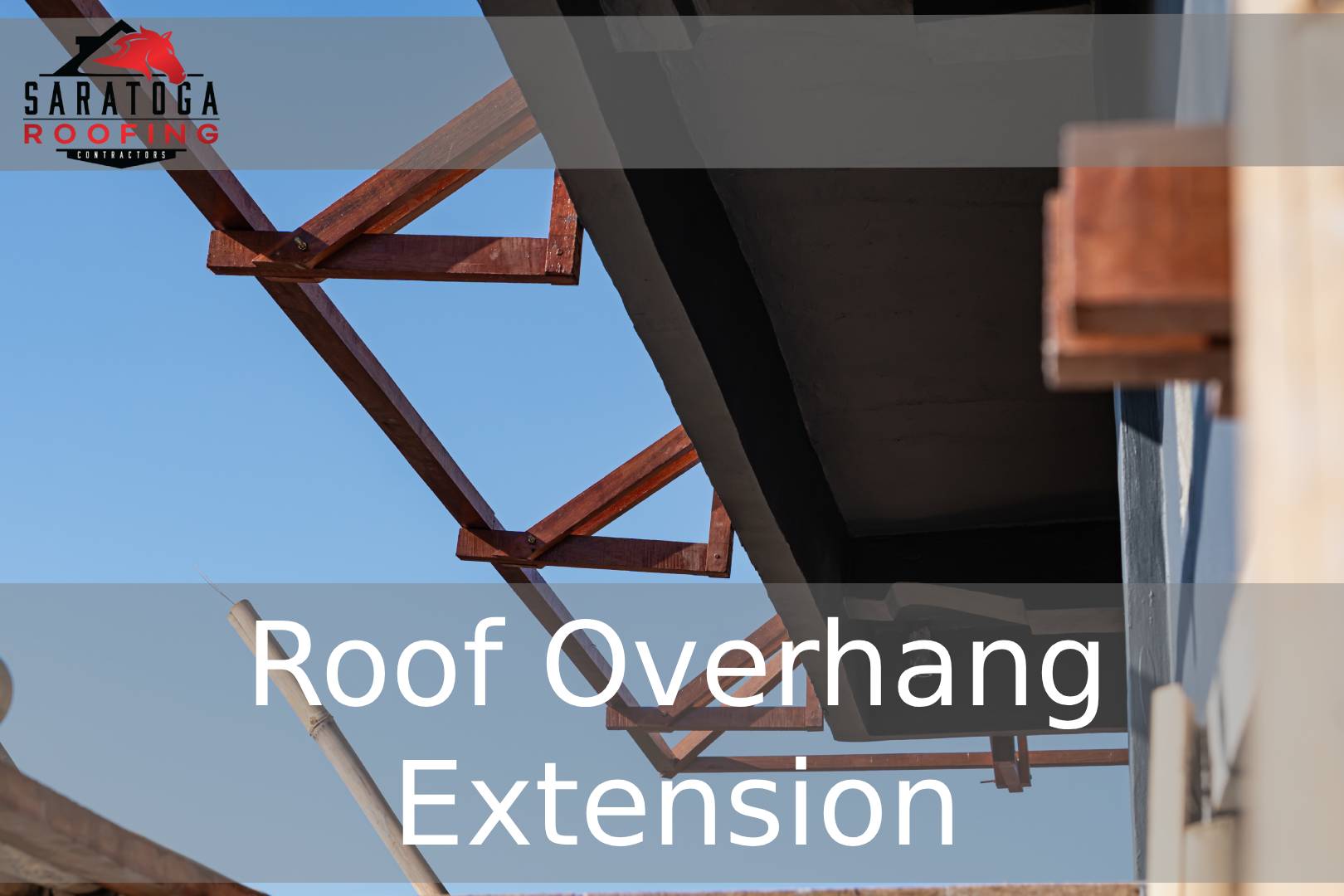
A roof overhang extension lengthens your existing eaves to direct water away from your foundation and protect your exterior walls.
Homeowners typically add these extensions by modifying rafters or during a full roof replacement, with costs varying based on the framing required. This structural upgrade improves energy efficiency and guards against severe weather damage.
Extending your roofline is one of the smartest structural upgrades you can make to protect your home.
Many older houses were built with shallow eaves that leave siding and foundations fully exposed to the elements.
As an experienced roofing contractor in Saratoga Springs, NY, we see firsthand how harsh local winters and heavy spring rains punish homes with inadequate overhangs.
Upgrading your eaves shields your exterior from moisture while adding distinct architectural character to your property.
Understanding the installation methods and benefits will help you determine if this exterior modification is right for your home.
What Is a Roof Overhang Extension?
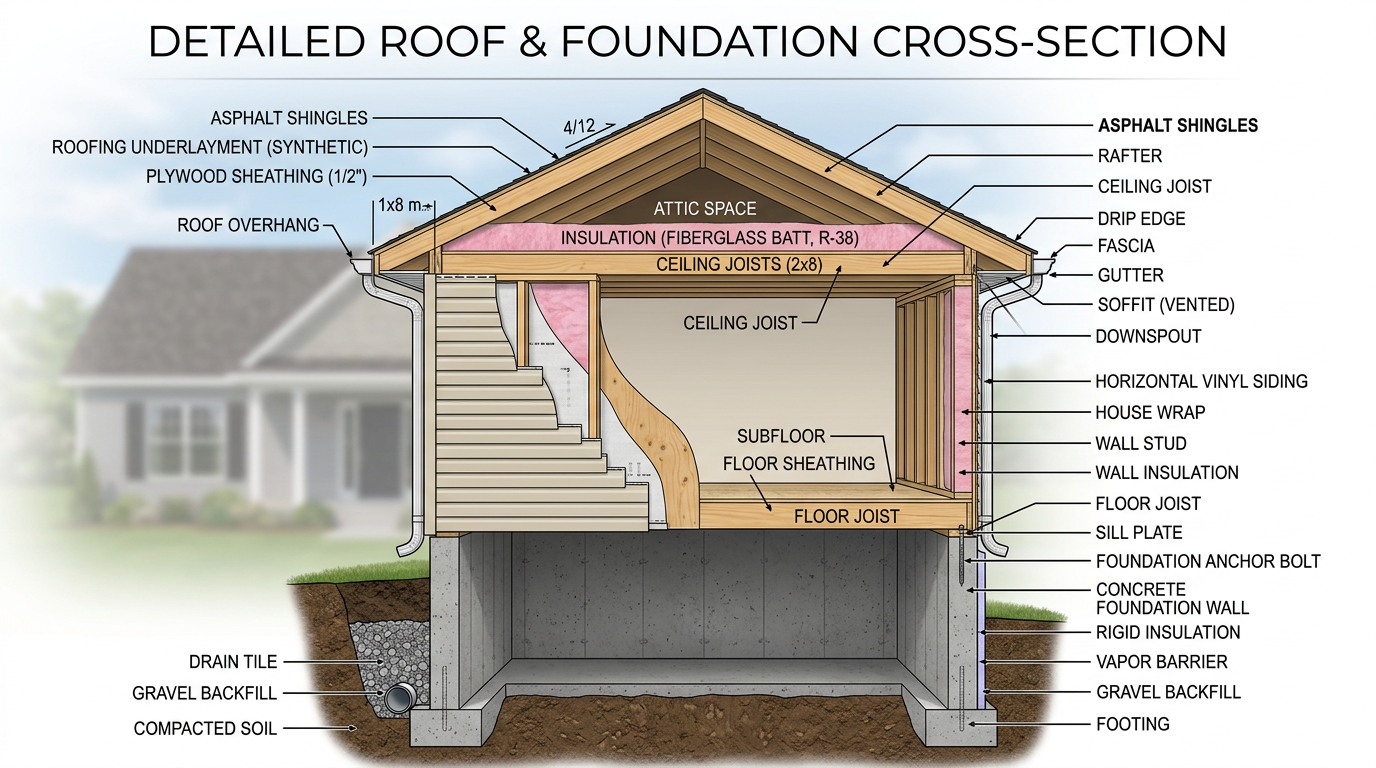
A roof overhang extension physically increases the distance your roof projects beyond your exterior siding. These extensions apply to either the eaves on the horizontal edges of your roof or the rakes along the sloping gable ends.
Contractors build these out to create an architectural umbrella that keeps weather patterns away from your vulnerable exterior walls. Standard overhangs typically range from 12 to 18 inches, but extensions can push this distance to 24 inches or more.
Adding this extra depth requires careful framing modifications to ensure the new structure can support heavy snow loads.
Why Homeowners Extend Their Roof Overhang
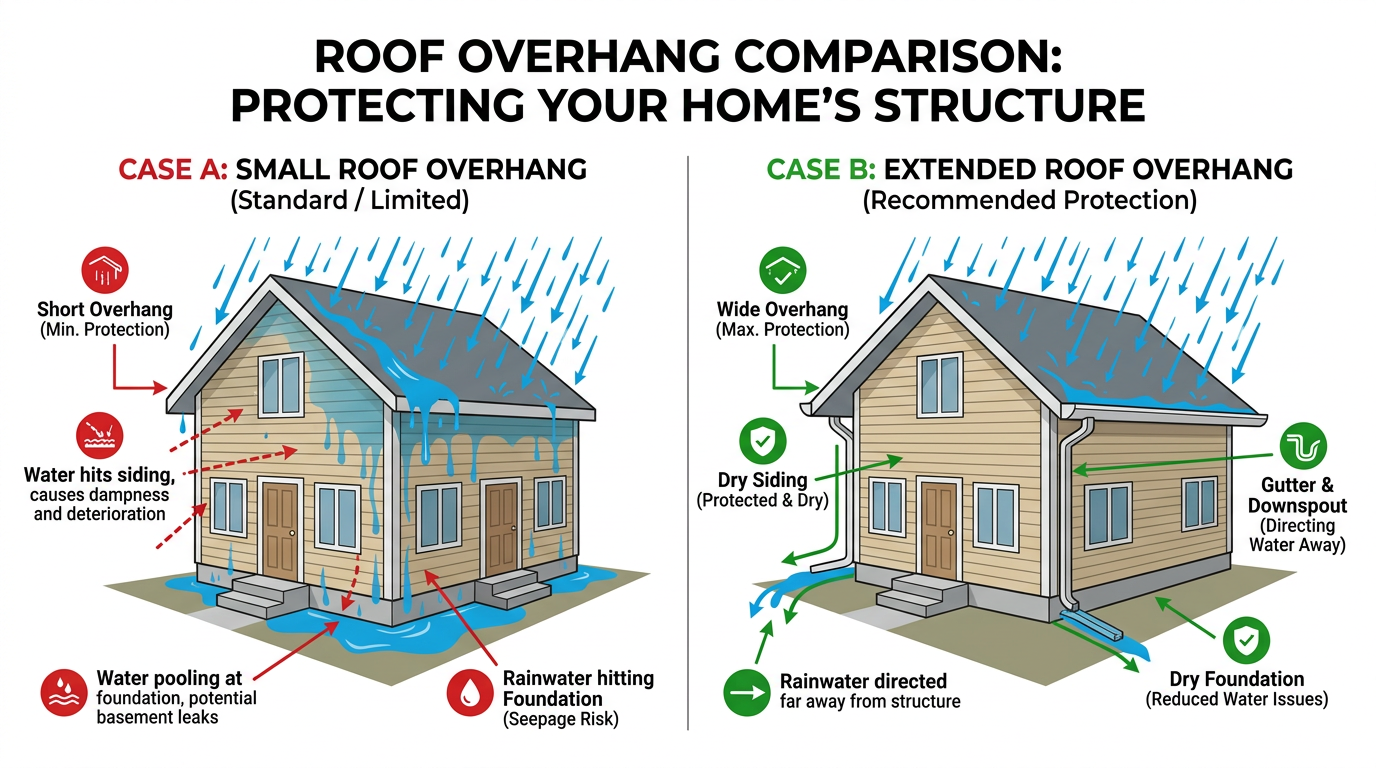
Better water protection
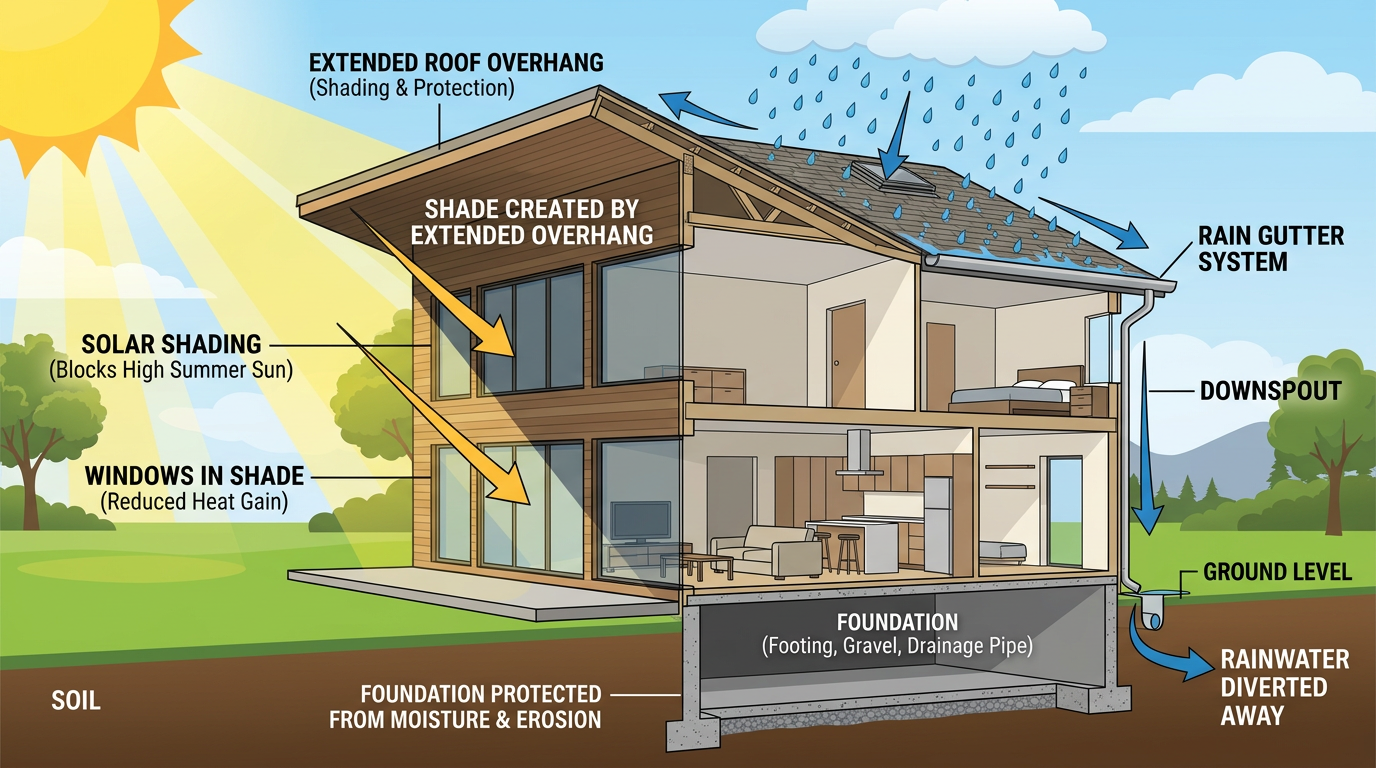
Deep eaves act as an essential barrier against driving rain and heavy snow accumulation. When your overhang extends further out, water drips safely away from your windows and door frames.
This simple water protection mechanism prevents costly moisture intrusion inside your wall cavities.
Less siding damage
Sunlight and continuous rain exposure will rapidly degrade your exterior siding materials. A larger overhang casts a protective shadow that shields your paint and siding from harsh ultraviolet rays.
You will notice a significant reduction in wood rot and peeling paint when you upgrade your roofing structure.
More shade
An extended roofline naturally blocks high-angle summer sunlight from entering your living spaces. This passive cooling strategy keeps your interior temperatures comfortable during hot July afternoons.
NOTE: Blocking direct sunlight with extended eaves can lower your summer cooling costs by up to 20 percent.
Better curb appeal
Shallow eaves often give a house a flat and visually unappealing box-like appearance. Adding depth to your roofline introduces striking shadow lines that enhance your home’s architectural profile. This aesthetic upgrade immediately boosts your property value and overall curb appeal.
Foundation protection
Water pooling near your home’s base is the leading cause of structural foundation cracking. Extended eaves push roof runoff safely away from your foundation perimeter. This prevents basement flooding and costly soil erosion around your property lines.
Can You Add an Overhang to an Existing Roof?
Extending rafters
Contractors can expose your existing roof structure and attach new lumber directly to the rafter tails. This process, often called “sistering,” creates a strong structural bond that supports the extended weight.
It is a labor-intensive method but provides the highest level of structural integrity for your overhang extension.
Framing modifications
Sometimes, adding a protective overhang requires building a completely independent soffit box attached to the exterior wall.
This framing technique works well for gable ends where traditional rafter extensions are not feasible. Your contractor must carefully tie this new framing into your home’s existing wall studs.
Roof replacement opportunities
The absolute best time to extend your eaves is when you are already tearing off your old shingles. Since the decking is already exposed, carpenters can easily modify the framing without destroying good roofing materials.
If your home is due for an upgrade, ask your contractor about combining this project with a complete roof replacement.
How Roof Overhang Extensions Are Installed
The installation process begins with safely removing the edge shingles, drip edge, and underlying underlayment. Crews then cut back the existing roof decking to expose the structural rafters underneath.
New lumber is securely bolted to the existing rafters to create the desired extension length. Once the framing is secure, carpenters install new fascia boards and enclose the bottom with ventilated soffit panels.
Finally, the team installs new decking, ice and water shield, and matching shingles to seamlessly blend the extension.
NOTE: Always hire a licensed structural professional to ensure your new overhang can support the weight of Upstate New York snowstorms.
If you are planning to bring more natural light into your home during this renovation, it is also a great time to consider a skylight installation.
How Much Does a Roof Overhang Extension Cost?
Pricing for this structural modification depends heavily on your home’s architecture and the method of installation.
Homeowners can generally expect to pay between $50 and $150 per linear foot for a professionally built extension. Costs increase significantly if you need to match rare exterior finishes or if an extensive wall opening is required.
Combining the extension with a full roof tear-off drastically reduces the overall labor costs. For the most accurate pricing, we highly recommend scheduling an inspection with Saratoga Roofing to review your specific structural needs.
Is a Roof Overhang Extension Worth It?
Investing in deeper eaves pays high dividends in long-term exterior maintenance savings. You will spend far less money repairing water-damaged window sills and rotting siding over the lifespan of your home.
The added aesthetic value and enhanced foundation protection make this one of the smartest architectural investments available. If you are tired of water pouring down your siding, an overhang extension is absolutely worth the upfront structural cost.
FAQ
Can you extend an existing roof overhang?
Yes, contractors can extend an existing roof overhang by removing the edge decking and sistering new wood onto your existing rafters. This process requires structural expertise to ensure the new extension can safely handle wind and snow loads.
How far should a roof overhang extend?
Most building experts recommend a roof overhang extension of at least 18 to 24 inches for optimal weather protection. This depth provides adequate shade for windows and pushes rainwater far enough away from the home’s foundation.
Does a roof overhang help prevent water damage?
A properly sized roof overhang acts like an umbrella for your exterior walls and foundation. It directs heavy rainfall away from vulnerable window seals, siding gaps, and foundation perimeters, effectively stopping major water damage.
Do roof overhang extensions require permits?
Yes, because modifying your roof’s eaves alters the structural framing and exterior footprint of your home, you will almost certainly need a local building permit. Always check with your municipal building department before beginning structural roof modifications.
Can you add an overhang without replacing the roof?
While it is physically possible to add an overhang without replacing the entire roof, it requires carefully removing and reinstalling the bottom courses of shingles. It is highly recommended to perform this upgrade during a scheduled roof replacement to save on labor and ensure a seamless waterproof barrier.

Oleg Levchenko is a co-founder of Saratoga Roofing Co., a licensed and insured roofing contractor serving Saratoga Springs and the Capital Region for nearly a decade.
Building runs in his family – his grandfather, a farmer and builder, rebuilt his village from the ground up after WWII, and that same resilience and craftsmanship shape how Oleg runs Saratoga Roofing today.
Under his leadership, the company has completed hundreds of roof, siding, and gutter projects across Saratoga, Albany, Rensselaer, and Washington Counties, backed by a leak-proof guarantee and a 4.9-star average rating.