Last Updated on June 8, 2026 by Oleg Levchenko

In most cases, call a roofing contractor first.
A roofer identifies the source of the leak and stops further water intrusion before interior repairs begin. Finding water dripping from your ceiling is a stressful experience for any homeowner.
You might wonder if you need a plumber, a general contractor, or a specialized professional to fix the issue. When moisture starts invading your living space, making the right call immediately can save you thousands of dollars in secondary repairs.
Here in Saratoga Springs, NY, our extreme weather makes rapid response absolutely critical.
Who Should You Call for a Roof Leak?
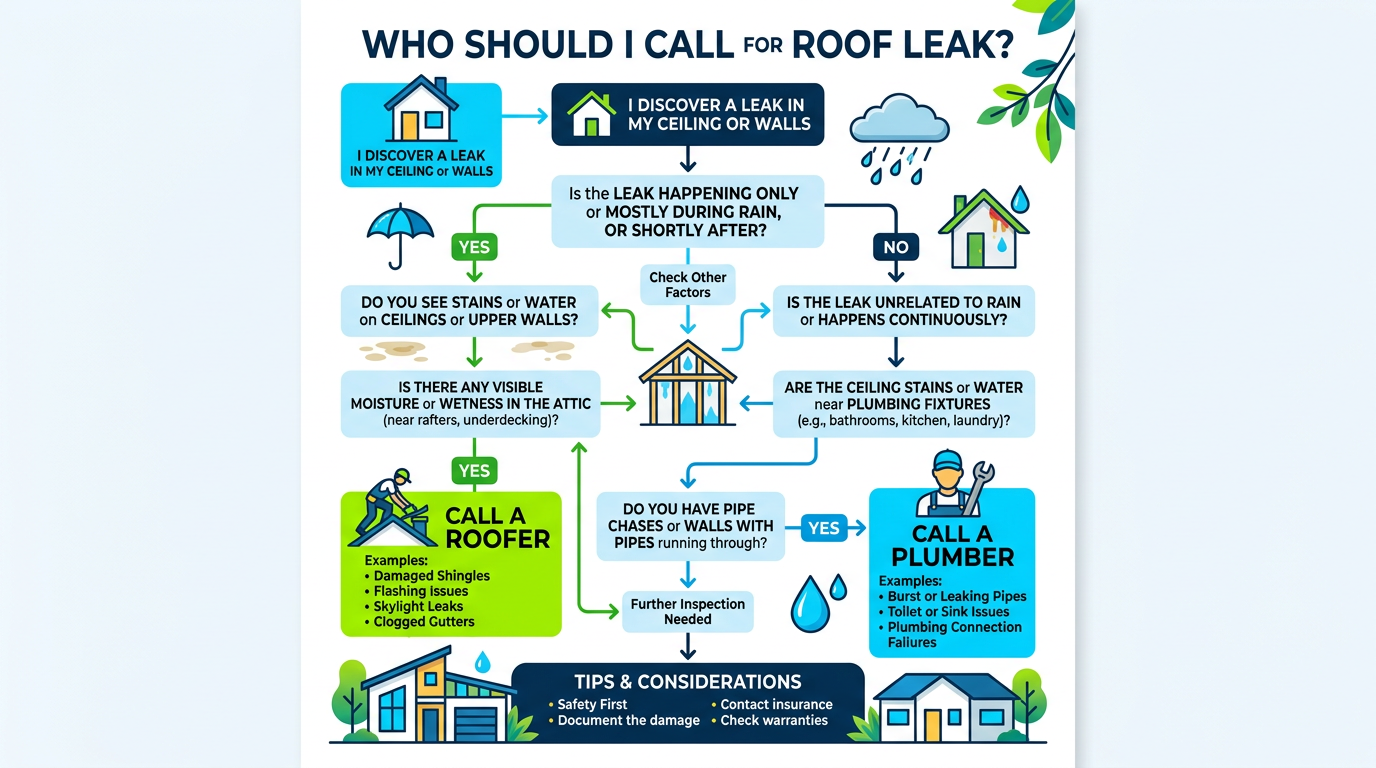
If water is entering your home from the ceiling, your first phone call should almost always be to a certified roofing professional.
Roofers have the specialized training and equipment needed to safely access your roof and diagnose the exact point of water entry. Water rarely falls straight down from a breach in your shingles.
It often travels along rafters and insulation before manifesting as a ceiling stain. A skilled technician from Saratoga Roofing knows how to track this path backward to find the true source.
Plumbers only handle internal pipes, and general handymen usually lack the expertise to properly evaluate severe weather impacts.
NOTE: Always prioritize safety and never climb onto a wet, slippery roof yourself during an active storm or leak.
When to Call a Roofer
You should contact a roofing contractor as soon as you notice ceiling discoloration, peeling paint, or active dripping.
This is especially urgent following severe weather events. Many homeowners ask why is hail damage bad for a roof if they do not see an immediate leak.
The truth is that hailstone impacts cause granule loss and bruise the underlying asphalt mat. These bruised areas compromise the waterproofing of your hail damage shingles, eventually leading to slow, hidden leaks.
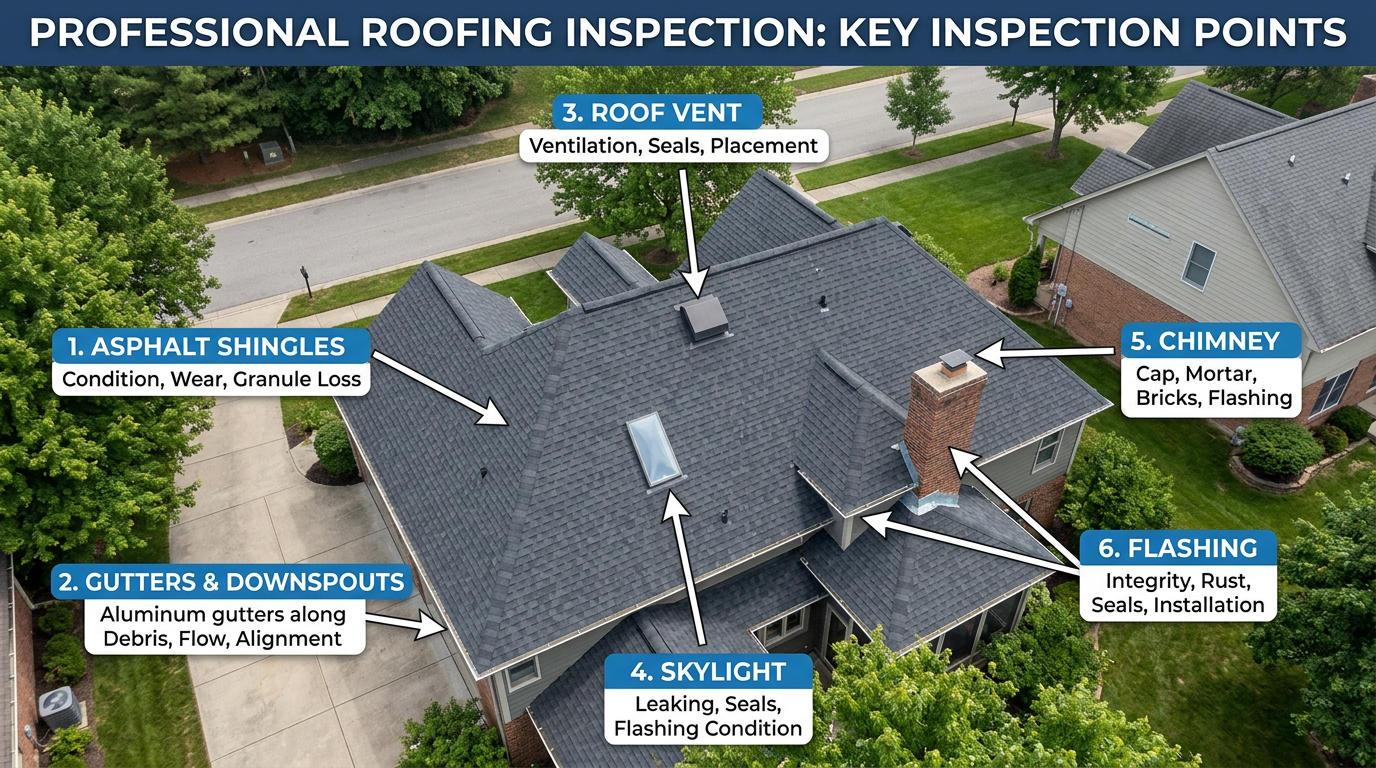
Scheduling a hail storm roof inspection immediately after a severe weather event is the best way to prevent water intrusion before it starts. If the damage is extensive, you may need a full roof replacement to fully protect your property.
Timeline: How Hail Damage Worsens Over Time
- Immediate Impact: Hail strikes the roof, causing bruised shingles and initial granule displacement.
- Weeks 1-4: Exposed asphalt begins to degrade under the harsh upstate New York sun.
- Months 2-6: Temperature fluctuations cause the weakened asphalt to crack and split.
- Months 6-12: Water infiltrates these micro-cracks, soaking the underlayment and wood decking.
- 1 Year+: Moisture finally breaches the interior ceiling, leading to mold growth, rotted decking, and major structural issues.
When the Leak Might Be a Plumbing Problem
Not all ceiling leaks originate from your exterior shingles.
If you notice water dripping from a ceiling located directly beneath an upstairs bathroom or laundry room, a burst pipe or faulty drain might be the culprit.
Additionally, leaks that remain consistent regardless of the weather outside point to an internal plumbing issue. Roof leaks typically correlate with rainstorms or melting snow.
If you are confident the water is coming from a plumbing fixture, shut off your main water valve and contact a licensed plumber.
However, if the leak occurs near an upstairs window or ceiling fixture, you might actually need a skylight installation expert to address failed flashing.
What to Do While Waiting for a Roofer
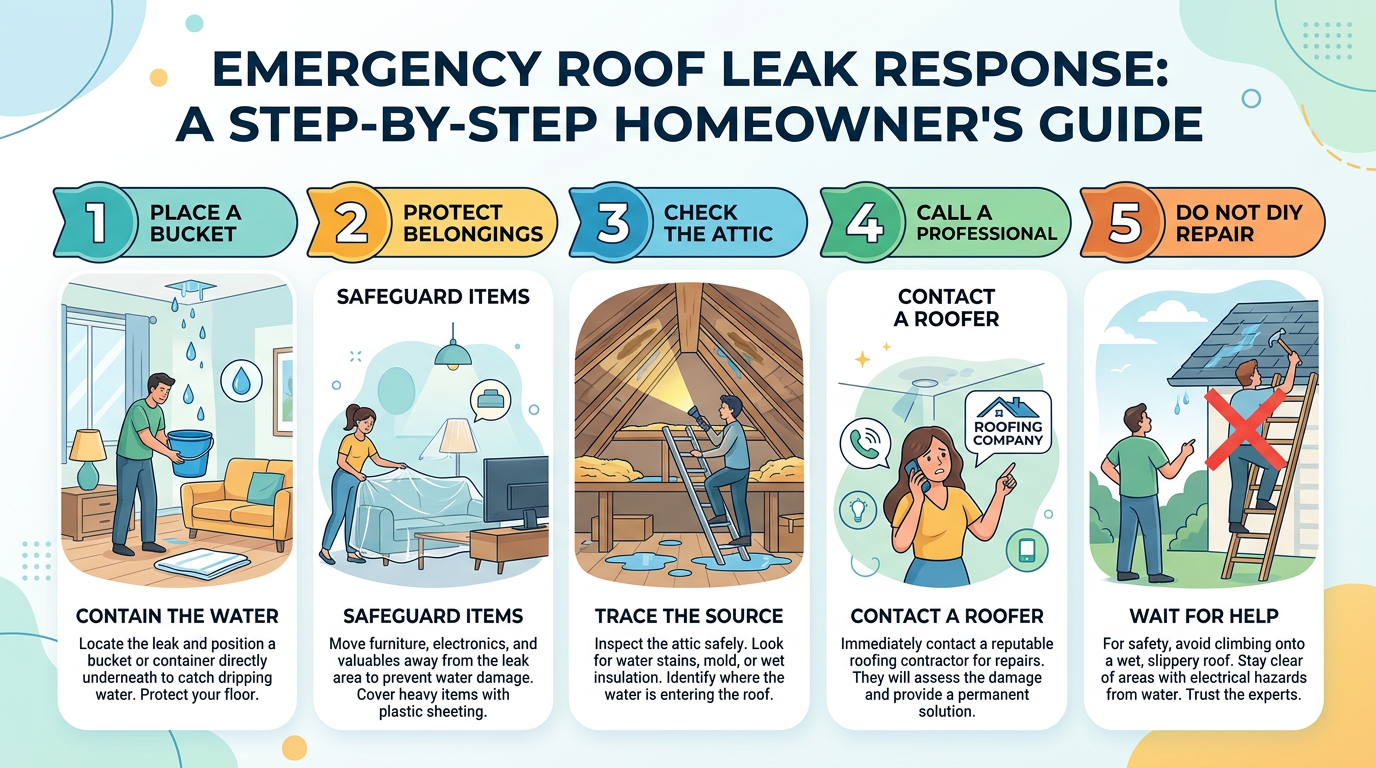
While waiting for your roofing contractor to arrive, your main goal is to minimize interior damage. Place a large bucket or waterproof tarp directly under the active drip.
If the ceiling drywall is bulging with trapped water, carefully poke a small hole in the center of the bulge with a screwdriver. This controlled release prevents the entire ceiling panel from collapsing under the weight of the water.
Move any furniture, rugs, or electronics away from the affected area immediately.
NOTE: Document all interior damage with photos and videos immediately, as this evidence is critical for filing an accurate insurance claim.
Will Homeowners Insurance Cover a Roof Leak?
Homeowners insurance generally covers sudden and accidental roof damage caused by covered perils like windstorms, fallen trees, or hail. Filing an insurance claim hail damage roof requires professional documentation of the specific impact marks and storm damage.
Insurance companies rarely cover leaks caused by neglected maintenance or simple old age. Your roofing contractor will provide a detailed condition report that clearly separates storm damage from general wear and tear.
This expert documentation is vital when negotiating with your insurance adjuster to ensure you receive fair compensation.
How Much Does Roof Leak Repair Cost?
The final cost of hail damage roof repair depends heavily on the severity of the damage and the materials required. Minor repairs, such as replacing a few missing shingles or sealing a small flashing gap, are generally quite affordable.
However, if a leak has gone unnoticed for months, you may have to pay for extensive wood rot repair and structural reinforcement. Acting quickly is the single best way to keep your repair costs manageable.
A prompt professional inspection identifies the roof hail damage signs early, saving you from catastrophic out-of-pocket expenses later.
Frequently Asked Questions
Should I call a roofer or plumber for a roof leak?
You should call a roofer if the leak is happening during or immediately after a rainstorm, or if it is coming from the highest ceiling in your home. Call a plumber only if the leak is directly beneath an upstairs bathroom, kitchen, or HVAC unit and occurs independently of outside weather.
Who fixes roof leaks?
Licensed roofing contractors are the primary professionals who fix roof leaks. They possess the specialized training to diagnose exterior breaches, repair damaged shingles, replace faulty flashing, and restore the waterproof integrity of your home’s exterior.
Is a roof leak considered an emergency?
Yes, a roof leak is considered an emergency because water can cause rapid structural damage, ruin electrical wiring, and promote hazardous mold growth within 24 to 48 hours. Immediate action is required to tarp the roof and stop the water from spreading.
Should I call insurance before repairing a roof leak?
You should call a local roofing contractor for a thorough inspection first, so you know exactly what caused the leak. Once the roofer confirms the leak is due to sudden storm damage rather than age, you should contact your insurance company to initiate a claim.
Can a small roof leak become a major problem?
Yes, a small roof leak can quickly escalate into a major problem. Even a minor drip can rot roof decking, destroy attic insulation, compromise load-bearing beams, and lead to severe black mold infestations if left untreated.

Oleg Levchenko is a co-founder of Saratoga Roofing Co., a licensed and insured roofing contractor serving Saratoga Springs and the Capital Region for nearly a decade.
Building runs in his family – his grandfather, a farmer and builder, rebuilt his village from the ground up after WWII, and that same resilience and craftsmanship shape how Oleg runs Saratoga Roofing today.
Under his leadership, the company has completed hundreds of roof, siding, and gutter projects across Saratoga, Albany, Rensselaer, and Washington Counties, backed by a leak-proof guarantee and a 4.9-star average rating.