Last Updated on September 8, 2026 by Oleg Levchenko
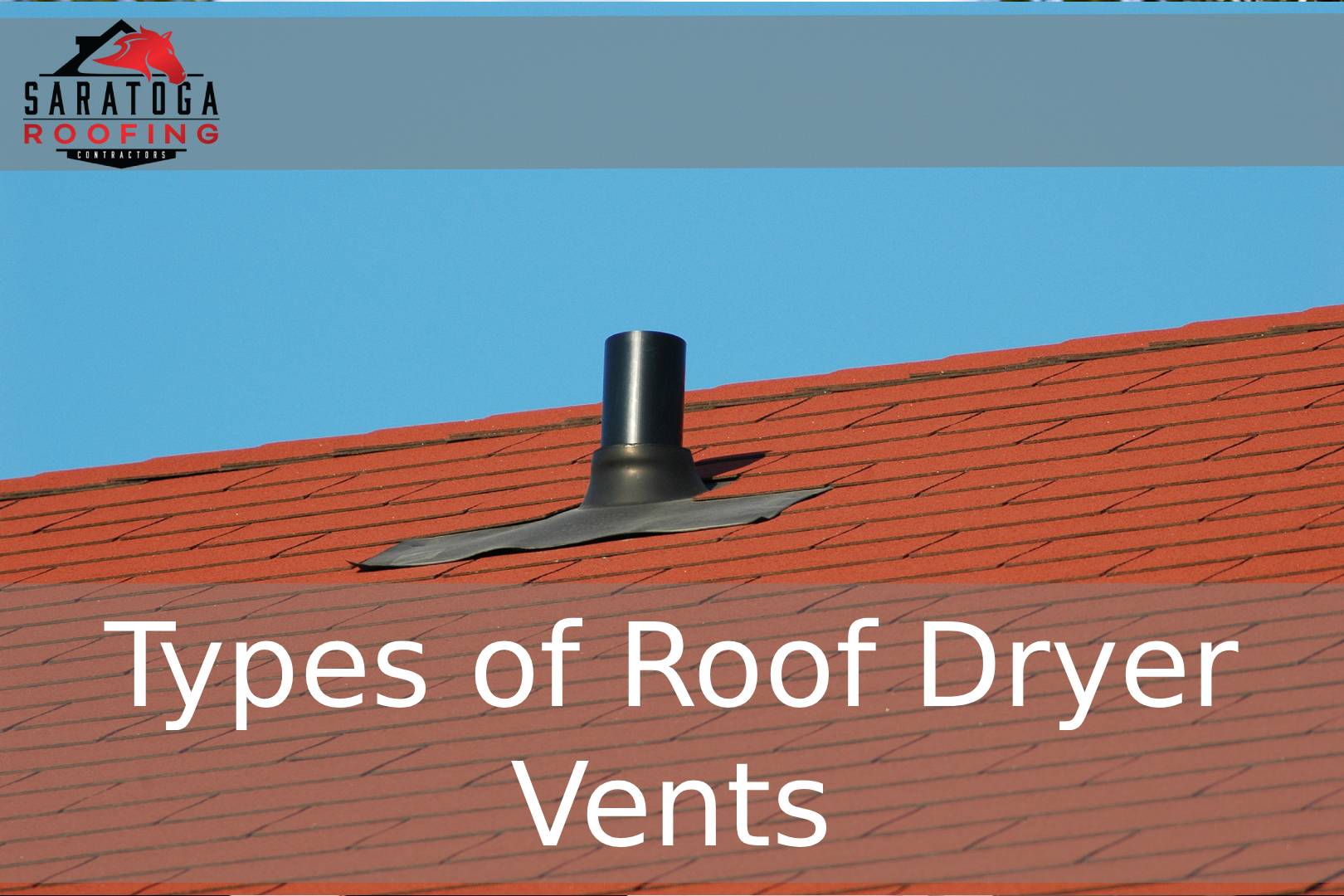
The four main types of roof dryer vents are static vents, dampered vents, bird-guard vents, and louvered vents.
Static vents are the simplest and cheapest, but they lack a damper to block backdrafts and pests.
Dampered vents are the most common choice for homeowners because the flap seals the opening when the dryer isn’t running.
Bird-guard vents add a wire cage to keep animals out, and louvered vents use overlapping slats for airflow with weather protection.
For homes in Upstate NY, a dampered vent with proper flashing is usually the safest bet against ice and snow infiltration.
What Is a Roof Dryer Vent (and How It Differs From a Wall Vent)?
A roof dryer vent is a termination point installed on the roof deck that allows hot, moist air from a clothes dryer to exhaust outside the home.
Unlike a wall vent, which exits horizontally through the siding at a low point, a roof vent runs the duct vertically through the attic and out through the roof surface.
Builders typically choose roof venting when there’s no accessible exterior wall near the dryer, such as in a laundry room located on an upper floor or in the center of the house.
The tradeoff is added complexity: a roof penetration means dealing with flashing, weatherproofing, and a termination hood exposed to snow, ice, and wind.
4 Types of Roof Dryer Vents
Each vent type balances airflow, weather resistance, and pest protection differently.
|
Type |
Pros |
Cons |
Best Use Case |
|---|---|---|---|
|
Static roof vent |
Simple, inexpensive, no moving parts |
No damper — allows backdrafts, pests, and cold air infiltration |
Rarely recommended except in mild, dry climates |
|
Dampered roof vent |
Damper seals when dryer is off, blocking cold air and pests |
Damper can stick if lint builds up |
Most residential installations, including cold climates |
|
Bird-guard roof vent |
Wire cage keeps birds and rodents from nesting in the duct |
Cage can trap lint if not cleaned regularly |
Homes near trees or with a history of pest intrusion |
|
Louvered roof vent |
Overlapping slats shed rain and snow well |
Slightly reduces airflow compared to an open hood |
High-wind or heavy-precipitation regions |
NOTE: Screens are not the same as bird guards — building code prohibits lint screens at the termination point because trapped lint is a fire hazard.
Duct Material & Sizing: Rigid Metal vs. Flex, Standard 4-Inch Diameter
Dryer duct sizing isn’t a matter of preference — it’s governed by code.
The minimum duct diameter is 4 inches (102 mm), and the duct cannot be reduced anywhere along the run.
The main run of duct must be rigid, smooth metal; a flexible metal connector is allowed only at the dryer connection itself, and it should run no more than roughly 8 feet.
Flexible plastic or foil duct is prohibited outright because it sags, traps lint, and increases fire risk.
Maximum length is capped at 35 feet of equivalent length under the default IRC limit, or shorter if the dryer manufacturer’s specification is more restrictive — whichever number is smaller governs.
Every 90-degree elbow in the run subtracts 5 feet from that allowance, and every 45-degree elbow subtracts 2.5 feet.
At the roof, the termination hood or damper must open freely with no added screen, since a blocked or screened hood traps lint and creates a fire hazard.
(Source: IRC 2024, Chapter 15, M1502.4, verified via Jaspector.com.)
Cold-Climate Risk: Ice Damming and Condensation Around the Vent Boot
Homeowners in Saratoga Springs and across Upstate NY face a risk that most roof dryer vent articles skip entirely: what winter does to the vent boot.
Warm, moist dryer exhaust rising through a cold attic can condense inside the duct, and that moisture often refreezes right at the roof penetration.
Over repeated freeze-thaw cycles, ice buildup around the vent boot can lift shingles, crack sealant, and open a path for water intrusion.
Ice damming near roof penetrations compounds this problem, since snowmelt backing up against the vent boot has nowhere to drain.
NOTE: In Upstate NY, insulating the attic-side duct run and confirming the vent boot flashing is properly lapped under the shingle course above it are two of the most effective ways to prevent this kind of winter damage.
Homeowners who are unsure whether their attic setup is contributing to moisture problems should also look at their broader attic ventilation system, since poor attic airflow makes condensation around any roof penetration worse.
Roof vs. Wall Dryer Vent: Addressing the Debate
Many homeowners ask whether a dryer vent can go through the wall instead of the roof, and the honest answer is: yes, whenever it’s physically possible, a wall vent is usually the better choice.
Wall venting is shorter, easier to inspect, easier to clean, and far less prone to the ice and flashing issues that come with a roof penetration.
Roof venting becomes the right — or only — option when the dryer sits in a location with no accessible exterior wall nearby, such as a laundry room in a finished basement with no adjacent wall run or a second-floor laundry closet buried in the interior of the home.
In those cases, running the duct up through the attic and out the roof is the only practical path, which makes correct installation and cold-climate protection even more important.
Roof Penetration & Flashing: Why Bad Installation Causes Leaks
Most roof dryer vent leaks trace back to one issue: flashing that wasn’t installed correctly.
A vent boot needs to be properly flashed, meaning the top flange is layered under the shingle course above it while the sides and bottom sit over the shingles below.
If a roofer reverses that order, or relies on caulk alone instead of proper shingle lapping, water will eventually find its way underneath.
Combined with the freeze-thaw stress discussed above, a poorly flashed vent boot is one of the fastest ways to develop a hidden roof leak.
DIY vs. Professional Installation
Installing a roof dryer vent involves both roofing work and duct work, which is why most homeowners don’t attempt it themselves.
Professional installation typically costs $150 to $500, depending on roof pitch, attic access, and duct routing complexity.
DIY installation can save on labor, but mistakes with flashing, duct length calculations, or termination hardware often cost more to fix later than the original job would have cost.
Roofing crews with credentials like Owens Corning Preferred Contractor status or HAAG-certified inspectors are trained specifically to catch flashing and penetration issues that a general handyman might miss.
For homeowners in the Saratoga Springs area, having our roofing team handle the roof penetration while a licensed HVAC technician handles duct sizing is the safest way to avoid both leaks and fire risk.
Maintenance & Warning Signs of a Clogged Roof Dryer Vent
A clogged roof dryer vent doesn’t just slow drying times — it’s a documented fire hazard.
Warning signs include clothes taking noticeably longer to dry, a burning smell during the dry cycle, excessive heat in the laundry room, and visible lint accumulating around the roof termination hood.
Homeowners should have the full duct run — from the dryer to the roof termination — cleaned at least once a year, or more often in households that do frequent laundry loads.
A damper that won’t close fully or a hood that looks bent or damaged from ice should be inspected immediately, since either issue can let pests, cold air, or moisture into the attic.
Choosing the Right Vent for Your Roof
The right roof dryer vent depends on your climate, your roofline, and how exposed the termination point is to wind, snow, and pests.
For most Upstate NY homes, a dampered vent with a properly flashed boot offers the best balance of airflow, weather resistance, and fire safety.
Homeowners planning a new install or a replacement should confirm duct sizing against the IRC 2024 standards outlined above before work begins, and should not hesitate to bring in a licensed professional for the roof penetration itself.
FAQ
What is the best dryer roof vent option?
A dampered roof vent is the best all-around option for most homes because the flap seals against cold air and pests while still allowing full airflow when the dryer runs.
Is a roof-mounted or wall-mounted dryer vent better?
A wall-mounted vent is generally better when an accessible exterior wall exists, since it’s shorter, easier to maintain, and avoids roof penetration risks; roof venting is best reserved for layouts where no wall option exists.
How often should a roof dryer vent be cleaned?
The duct run should be cleaned at least once a year, though households with heavy laundry use may need cleaning every six months.
Can I install a roof dryer vent myself?
It’s possible, but the combination of roof flashing work and code-compliant duct sizing makes professional installation the safer choice for most homeowners.
What causes a roof dryer vent to leak?
Most leaks come from improperly lapped flashing at the vent boot, often made worse by ice buildup during freeze-thaw cycles in cold climates.
How far can a dryer vent duct run?
The maximum is 35 feet of equivalent length under the default IRC limit, or shorter if the dryer manufacturer specifies a lower number, with 5 feet subtracted per 90-degree elbow and 2.5 feet per 45-degree elbow.
Can a roof dryer vent freeze or ice over in cold weather?
Yes — condensation from warm dryer exhaust can freeze around the vent boot in cold climates like Upstate NY, which is why insulating the attic duct run and confirming proper flashing matter so much.

Oleg Levchenko is a co-founder of Saratoga Roofing Co., a licensed and insured roofing contractor serving Saratoga Springs and the Capital Region for nearly a decade.
Building runs in his family – his grandfather, a farmer and builder, rebuilt his village from the ground up after WWII, and that same resilience and craftsmanship shape how Oleg runs Saratoga Roofing today.
Under his leadership, the company has completed hundreds of roof, siding, and gutter projects across Saratoga, Albany, Rensselaer, and Washington Counties, backed by a leak-proof guarantee and a 4.9-star average rating.