Last Updated on October 10, 2026 by Oleg Levchenko

Most roof truss damage is repairable through techniques like sistering, and even full replacement is far less catastrophic than homeowners fear. The right fix depends on the cause and extent of damage — a single cracked chord needs a different solution than systemic gusset plate failure across multiple trusses.
This guide breaks down the five most common causes of truss damage in Saratoga County, the repair options for each, and when a structural engineer’s assessment is worth the investment.
Finding a cracked or sagging roof truss is alarming.
But here’s the reassuring truth: the vast majority of truss problems are fixable.
Even when full replacement becomes necessary, it’s a manageable, well-understood process rather than a structural emergency.
The real question isn’t whether your truss can be saved — it’s whether you’re dealing with an isolated issue or a systemic problem.
A single cracked chord member is a straightforward repair.
Widespread gusset plate failure, pest damage, or multiple compromised members across your roof system is a different situation entirely, and it calls for a structural engineer’s eye.
This guide walks through how trusses work, why they fail, and exactly what repair options exist for each type of damage.
If your truss issues turn out to be part of a broader roofing problem, you can also learn more about full home roof replacement in Saratoga.
What Are the Parts of a Roof Truss?
The standard Fink truss found in most Saratoga-area homes has three main components.
The top chord acts as the rafter, carrying the roof load down toward the walls.
The bottom chord functions as the ceiling joist, resisting the outward spread of the top chords.
Web members — the diagonal and vertical pieces connecting the chords — transfer load between them and keep the whole triangle rigid.
Holding these pieces together are gusset plates, the metal connector plates at each joint.
Gusset plates are the single most critical — and most commonly failed — component in the entire truss system.
A truss only works because every member shares the load as one engineered unit.
That means you should never cut, notch, or drill into a truss member without an engineer’s approval.
NOTE: Even a 2-inch notch cut for an HVAC duct can reduce a chord’s load capacity by 40–60%, and it’s one of the most common causes of truss failure we see in older Saratoga-area homes.
What Causes Roof Truss Damage in Saratoga County?
Five issues account for nearly every truss failure we inspect.
Snow overload tops the list, since Saratoga County’s design snow load runs 40–50 PSF, one of the higher values in the Capital Region.
Ice dams compound this risk, because trapped meltwater can effectively double the actual load pressing down on your trusses.
Gusset plate failure is the most common single point of failure in any truss system.
Plates can pull loose from moisture cycling, poor nailing during original construction, or sheer age.
Moisture rot develops slowly, usually from a slow roof leak or inadequate attic ventilation, and it weakens wood fibers from the inside out.
Pest damage, particularly from carpenter ants common throughout Upstate NY, hollows out truss chords from the interior.
This damage is often invisible until the member fails, since the exterior wood surface can look completely intact.
Unauthorized modifications — cuts, notches, or removed webs made by homeowners or contractors without engineering review — round out the top five causes.
Each of these problems is recognizable if you know what to look for, which brings us to repair options.
What Are the Repair Options for Different Types of Truss Damage?
The correct repair method depends entirely on what’s causing the damage and how far it has spread.
- Sistering — attaching a new piece of identical lumber alongside a damaged member — is the standard fix for a single cracked chord.
- Gusset plate replacement involves removing the failed plate and installing a new one with additional screw reinforcement, and it should never be attempted without professional oversight.
- Moisture rot repair combines sistering with treatment of the underlying leak source and often requires a vapor barrier correction.
- Pest damage repair pairs sistering with professional extermination and ongoing monitoring, since ants can return to compromised wood.
- Cut or notched members need an engineered repair plate in addition to sistering, because the original damage already changed the member’s load path.
When more than 25% of members in a truss system show damage, full replacement typically becomes the more cost-effective path.
|
Damage Type |
Repair Method |
DIY? |
Cost |
Engineer Required? |
|---|---|---|---|---|
|
Single cracked chord |
Sistering with identical lumber |
Possible |
$250–$800 |
Recommended |
|
Gusset plate failure |
Plate replacement + screw reinforcement |
No |
$300–$600 |
Yes |
|
Localized moisture rot |
Sister + treat + vapor barrier fix |
No |
$400–$1,200 |
Recommended |
|
Pest damage |
Sister + exterminator + monitoring |
No |
$500–$2,000 |
Yes |
|
Cut or notched member |
Engineered repair plate + sister |
No |
$600–$2,500 |
Required |
|
Multiple failures (>25%) |
Full truss replacement |
No |
$500–$5,000+/truss |
Required |
What Are the Most Common Causes of Truss Failure in Saratoga?
Understanding frequency helps homeowners prioritize what to inspect first.
|
Rank |
Cause |
Primary Risk Factor |
Detection Difficulty |
|---|---|---|---|
|
1 |
Gusset plate failure |
Age, moisture cycling |
Moderate — visible plate separation |
|
2 |
Snow/ice overload |
40–50 PSF design load, ice dams |
Low — sagging is visible |
|
3 |
Moisture rot |
Roof leaks, poor ventilation |
High — often hidden |
|
4 |
Pest damage |
Carpenter ants |
High — damage is internal |
|
5 |
Unauthorized modifications |
HVAC, plumbing, electrical cuts |
Moderate — requires attic inspection |
When Does the 25% Rule Mean Replacement Instead of Repair?
Structure Magazine’s published MPC (metal plate connected) wood truss guidelines establish a clear benchmark for this decision.
Once damage affects more than 25% of a truss’s members, the labor cost of individually repairing each one typically exceeds the material savings of keeping the original structure.
At that point, full truss replacement becomes the more economical — and often safer — choice.
This is exactly why a structural engineer assessment, typically costing $300–$600, is an investment rather than an unnecessary expense.
An engineer’s assessment defines the scope of repair, specifies the exact method required, and protects you legally if you sell the home later.
NOTE: Saratoga County Building Department requires a permit for structural repairs and may require stamped engineering drawings, and skipping that permit can void your homeowner’s insurance and create serious problems at resale.
If your truss damage is connected to a larger roofing issue, our roof repair company can coordinate both the structural and roofing scope of work.
How Does Sistering a Truss Member Actually Work?
Sistering starts with cutting a new piece of lumber that matches the damaged member’s species, dimension, and grade.
The new piece is positioned flush against the damaged member, spanning well beyond the crack or weak point on both sides.
Structural screws or through-bolts are then installed in a specific pattern to transfer load between the old and new wood as a single unit.
Done correctly, the sister restores the member’s full original load capacity.
NOTE: A sister that only spans the damaged section — sometimes called a “scab” — does not restore full load capacity, and we commonly see this shortcut from general contractors fail under snow load.
That distinction between a true structural sister and a cosmetic scab is often the difference between a repair that lasts decades and one that fails during the next heavy snowfall.
Frequently Asked Questions
Can I repair roof trusses myself?
Simple sistering of a single cracked chord is within DIY capability for someone with solid construction experience.
Any repair involving gusset plates, multiple members, or an unknown cause of damage requires a licensed contractor and, in most cases, a structural engineer.
How do I know if my trusses are failing?
Watch for visible cracks in chord members, gusset plates pulling away from the wood, and pronounced ceiling sag.
Doors or windows that suddenly become difficult to open, along with cracking sounds from the attic during heavy snow loads, are also warning signs.
Does homeowner’s insurance cover truss repair?
Coverage depends heavily on the cause of damage.
Ice dam damage, storm damage, and sudden structural failure are typically covered, while gradual moisture rot, pest damage, and unauthorized modifications are typically excluded.
Getting the damage documented by a HAAG-certified inspector significantly strengthens any insurance claim you file.
If your roof damage extends to features like skylights, our skylight repair services can address those alongside structural truss work.
What Should You Do Next?
Most truss problems are solvable once you know the cause and the correct repair method.
Start by inspecting your attic for the warning signs listed above, especially after a heavy snow season.
If you find anything beyond a single, isolated crack, schedule a structural engineer assessment before any repair work begins.
As a HAAG-certified roofing contractor serving Saratoga Springs, we evaluate truss damage, coordinate with structural engineers when needed, and handle permitted repairs that meet Saratoga County Building Department requirements.
Reach out for an inspection before small damage becomes a bigger — and more expensive — problem.
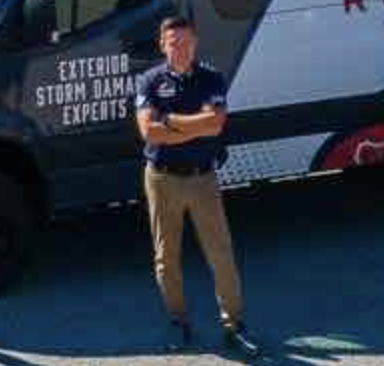
Oleg Levchenko is a co-founder of Saratoga Roofing Co., a licensed and insured roofing contractor serving Saratoga Springs and the Capital Region for nearly a decade.
Building runs in his family – his grandfather, a farmer and builder, rebuilt his village from the ground up after WWII, and that same resilience and craftsmanship shape how Oleg runs Saratoga Roofing today.
Under his leadership, the company has completed hundreds of roof, siding, and gutter projects across Saratoga, Albany, Rensselaer, and Washington Counties, backed by a leak-proof guarantee and a 4.9-star average rating.