How Does a Roof Turbine Vent Work?

A roof turbine vent uses wind to spin curved vanes, creating negative pressure that pulls hot, moist attic air upward and out of the home. A 12″ turbine produces 347 CFM at 5 mph and 1,054 CFM at 15 mph. Turbines work well in warm climates but struggle in Climate Zone 6 regions like Saratoga […]
Step Flashing Installation: Step-by-Step Guide

Step flashing is a series of individual 4″×4″ L-shaped metal pieces installed in an alternating pattern between shingles and a vertical wall. The single most critical rule is that each piece must be nailed only to the roof deck, never through the wall sheathing, because a nailed-down piece can’t slide as the roof deck expands […]
Roof Truss Repair: Tips and Solutions for Homeowners

Most roof truss damage is repairable through techniques like sistering, and even full replacement is far less catastrophic than homeowners fear. The right fix depends on the cause and extent of damage — a single cracked chord needs a different solution than systemic gusset plate failure across multiple trusses. This guide breaks down the five […]
How Do Thatched Roofs Work? A Master Craftsman’s Guide to Ancient Engineering

Thatched roofs shed water through capillary action, steep pitch, and layered construction — the same physics principles used in modern roofing. Water reed lasts 40–60 years, long straw 20–30 years, and combed wheat reed 25–35 years. A minimum 45-degree pitch keeps water moving off the surface faster than it can soak in, and the ridge […]
How Long Do 30-Year Shingles Last?

A “30-year shingle” is a product classification, not a guarantee. In Upstate New York, real-world lifespan typically runs 15–22 years due to freeze-thaw cycles, ice dams, and heavy snow loads — far short of the name on the package. Ventilation, installation quality, and roof pitch all swing that number significantly in either direction. Every homeowner […]
Small Hail Damage on Your Roof
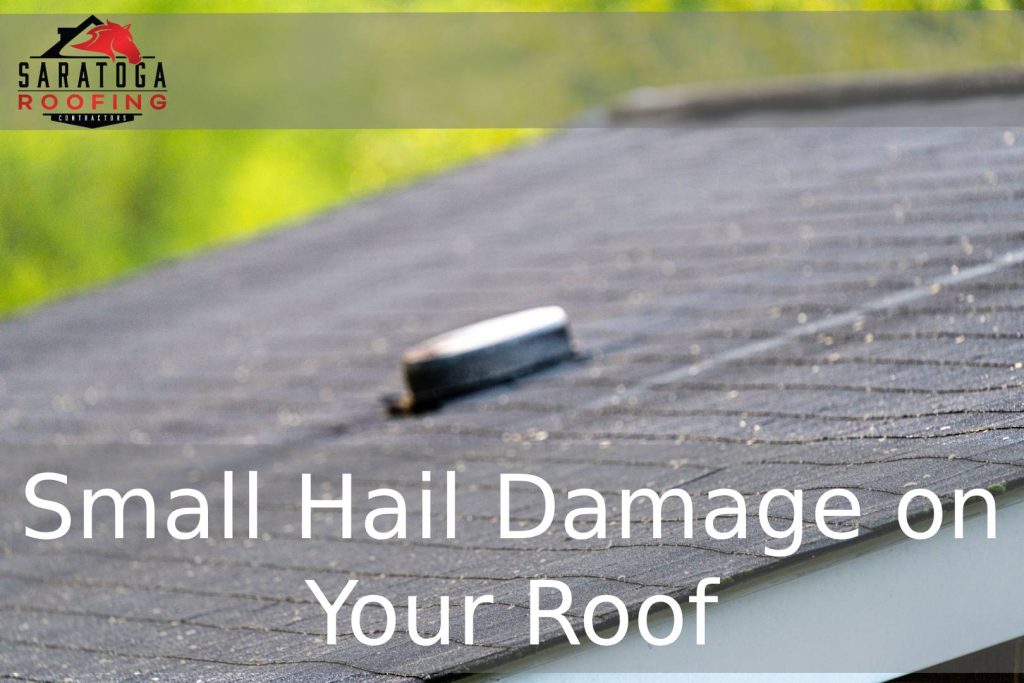
Small hail damage often looks like minor bruising, granule loss, or small dents rather than obvious holes or cracks, which makes it easy to miss during a quick glance from the ground. Whether it’s worth repairing or filing an insurance claim depends on your roofing material, the hailstone size, and your roof’s age. Older or […]
Building a Roof Over a Deck
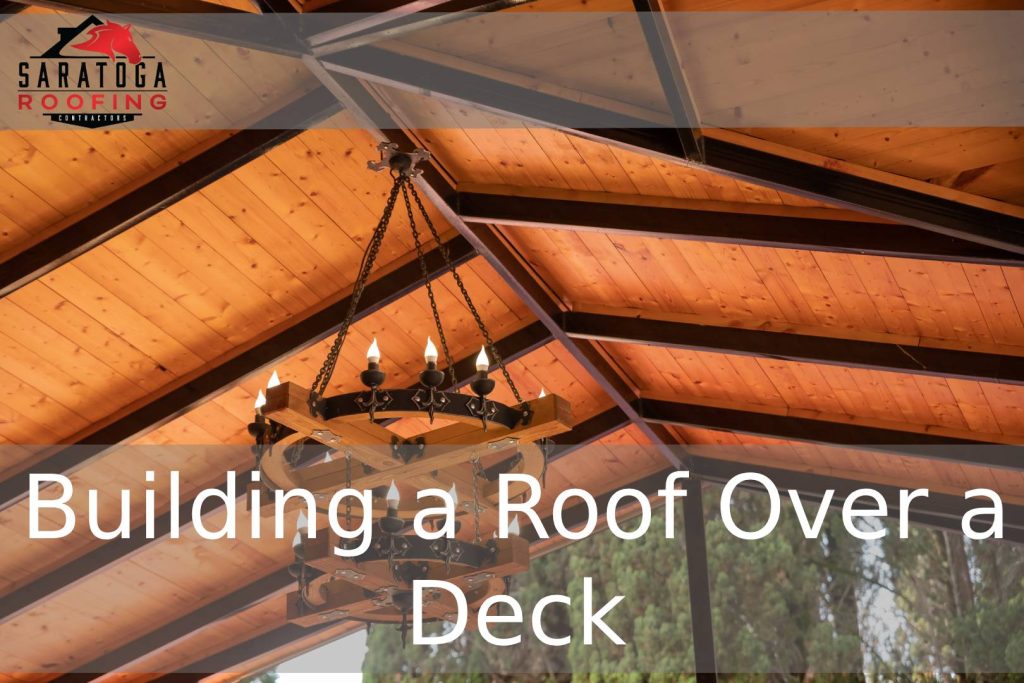
Building a roof over a deck typically costs $4,000 to $10,000+, depending on size, roofing material, and how the structure is supported. Most projects require a permit from your local building department, and the way the roof ties into your home—especially the ledger board and flashing—determines whether the project succeeds or leaks for years to […]
What Is a Lean-To Roof?
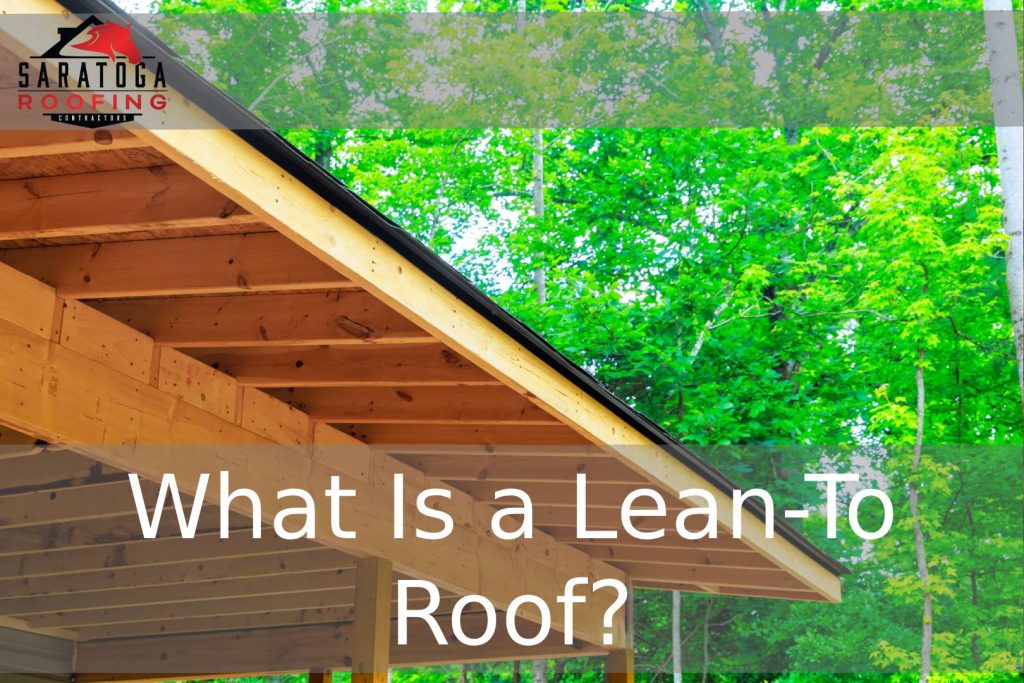
A lean-to roof is a single-slope roof that attaches to an existing wall, also called a skillion roof or a type of shed roof. It’s commonly used for porches, sheds, carports, and home additions because it’s simpler and cheaper to build than a full gable roof. Installed costs typically run $20 to $50 per square […]
Types of Roof Dryer Vents
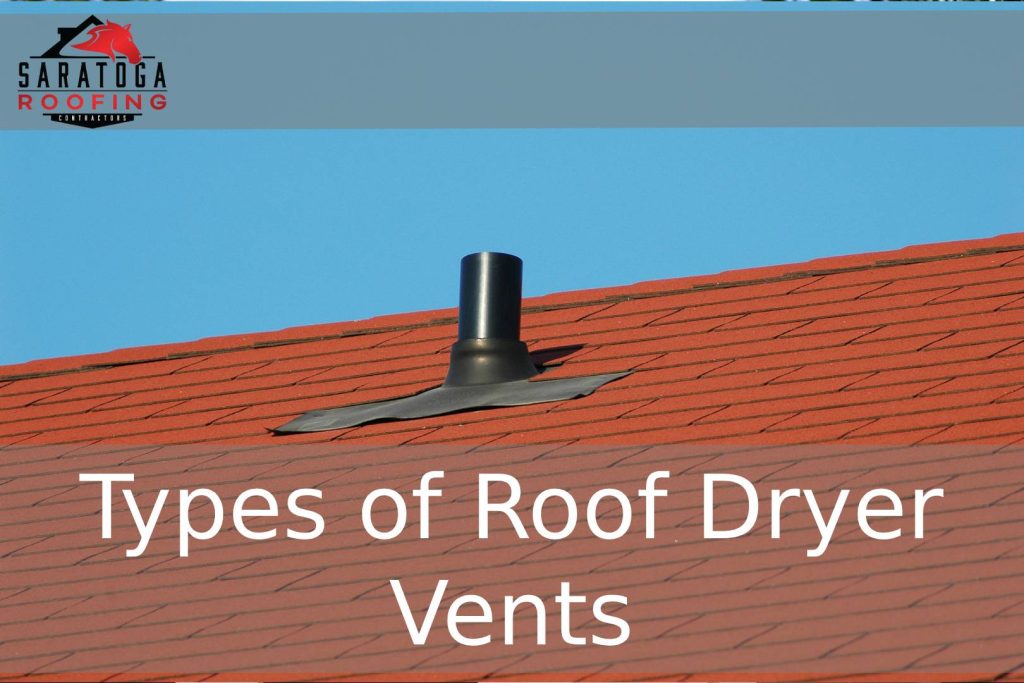
The four main types of roof dryer vents are static vents, dampered vents, bird-guard vents, and louvered vents. Static vents are the simplest and cheapest, but they lack a damper to block backdrafts and pests. Dampered vents are the most common choice for homeowners because the flap seals the opening when the dryer isn’t running. […]
What Is a Pent Roof?
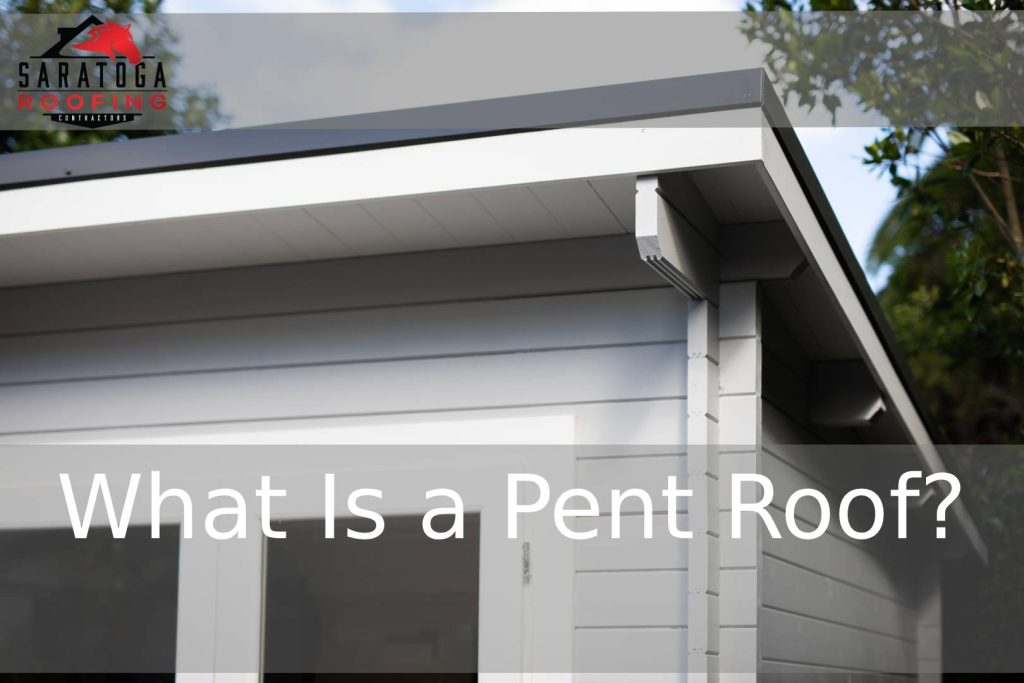
A pent roof is a single-sloped roof style used on home additions, porches, entryways, and dormers, where one roof plane pitches down from a taller wall or the main roofline. It’s common on saltbox-style New England homes and is often confused with lean-to roofs and shed roofs, though the terms have distinct construction […]