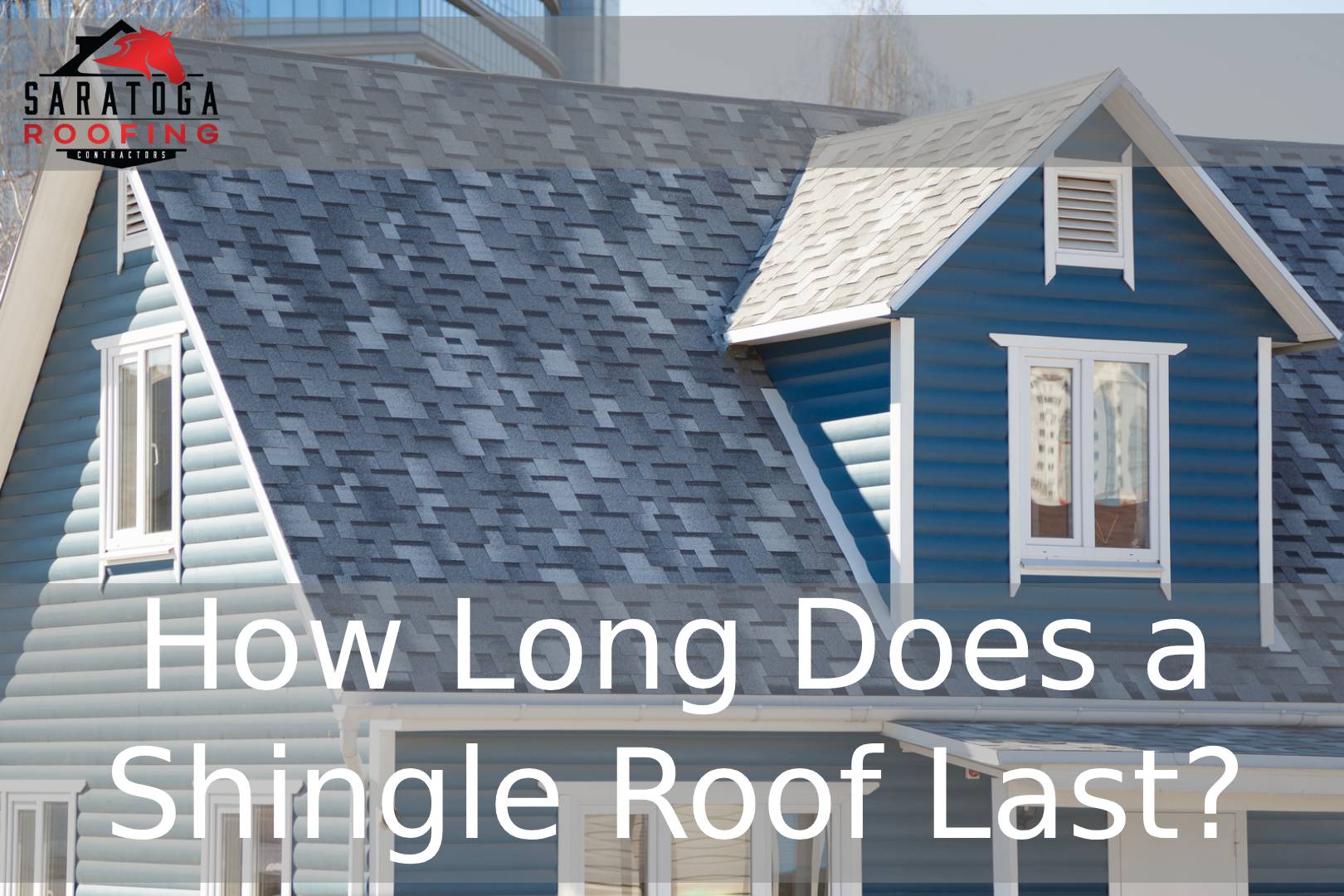
The lifespan of a shingle roof depends on various factors such as the type of shingles used, the quality of installation, and the climate conditions it is exposed to.
On average, a standard asphalt shingle roof can last between 20 to 30 years, while more durable materials like architectural shingles may extend the lifespan to 30 to 50 years.
Proper maintenance and timely repairs can also significantly impact how long a shingle roof remains functional and effective in protecting your home.
However, that timeframe isn’t a guarantee. The actual lifespan depends on the quality of materials used, the local climate, and how well the roof is maintained over the years.
Understanding these variables can help you save money and prevent unexpected leaks.
Factors Affecting Shingle Lifespan
While manufacturers provide an estimated lifespan, real-world conditions dictate how long your roof will actually protect your home.
Climate and Weather
Your local environment is the biggest factor in roof longevity. Intense sun and heat can cause shingles to become brittle and crack over time, while freeze-thaw cycles in colder regions can expand small cracks into major issues.
NOTE: Darker shingles absorb more heat, which can accelerate the degradation of asphalt in hot climates.
Material Quality
Not all asphalt shingles are created equal. The quality of the shingle determines its resistance to wind and weathering.
Investing in higher-grade materials often results in a longer-lasting roof compared to budget-friendly options.
Installation Quality
Even the best materials will fail if installed incorrectly. Proper installation ensures that shingles are nailed down securely and that roof ventilation is adequate.
Poor ventilation traps heat and moisture in the attic, cooking the shingles from the bottom up.
Maintenance
Neglect is a roof’s worst enemy. Regular inspections and cleaning prevent minor issues from turning into major structural damage.
Types of Asphalt Shingles and Their Lifespans
To predict how long your roof will last, you first need to identify which type of shingle you have.
3-Tab Shingles
These are the most basic and economical option. 3-tab shingles typically last 15 to 25 years.
They are recognizable by their flat, single-layer appearance. While affordable, they are thinner and less resistant to high winds than other types.
Architectural (Dimensional) Shingles
Thicker and more durable, architectural shingles usually last 20 to 50 years. They are composed of multiple layers of asphalt and fiberglass, giving the roof a textured, three-dimensional look.
NOTE: Because of their durability, architectural shingles often come with longer manufacturer warranties.
Premium or Luxury Shingles
Designed to mimic the look of slate or cedar shakes, premium shingles can last 25 to 40 years or more.
These are the heaviest asphalt options available, offering superior protection against impact and weather events.
Extending the Life of Your Shingle Roof
You don’t have to wait for a leak to start caring for your roof. Proactive measures can add years to its life.
Regular Inspections
You should aim to inspect your roof twice a year, ideally in the spring and fall. Look for loose, cracked, or missing shingles.
Proper Ventilation
Ensure your attic has proper ventilation to regulate temperature and moisture. This prevents the roof deck from warping and shingles from deteriorating prematurely.
Moss and Algae Control
If you see green patches, take action. Moss and algae trap moisture against the shingles, which can lead to rot. Using zinc or copper strips can help prevent regrowth after cleaning.
Prompt Repairs
Do not ignore small problems. If you notice a missing shingle or a minor leak, schedule a roof repair immediately. Fixing a small issue now prevents costly water damage later.
When to Consider Roof Replacement
Sometimes, repairs are no longer cost-effective. Here is how to tell if it is time for a new roof.
Age of the Roof
If your roof is approaching the 20-year mark (especially for 3-tab shingles), it is time to start planning for a replacement, even if it looks okay from the ground.
Extent of Damage
If you are seeing widespread damage, such as curling shingles across the entire roof or significant granule loss in your gutters, spot repairs will likely be insufficient.
Cost-Effectiveness
Compare the cost of ongoing repairs versus a full replacement. If you are paying for repairs multiple times a year, a new roof may be the smarter financial decision.
Conclusion
Understanding how long a shingle roof lasts helps you make informed decisions about maintenance and replacement.
While the average is 15 to 30 years, factors like climate, ventilation, and material quality play massive roles. By taking proactive steps to maintain your roof, you protect your home and your wallet.
If you are unsure about the condition of your roof, Saratoga Roofing is here to help. Whether you need a simple inspection or a full replacement, our team provides the expertise you need to keep your home safe and dry.
Frequently Asked Questions (FAQ)
1. How do I know if my shingles are worn out?
Look for curling, buckling, or cracked shingles. Another major sign is finding excessive amounts of shingle granules in your gutters, which indicates the asphalt is deteriorating.
2. Can I install new shingles over old ones?
While it is sometimes possible to layer new shingles over old ones (called an overlay), it is generally not recommended. It adds extra weight to the roof structure and prevents inspectors from seeing damage to the roof deck.
3. Do architectural shingles really last longer than 3-tab shingles?
Yes. Architectural shingles are thicker and heavier, making them more resistant to wind uplift and weathering compared to standard 3-tab shingles.
4. How often should I have my roof inspected?
It is best to schedule a professional roof inspection at least once a year, or after any major storm event involving high winds or hail.
5. Does moss actually damage my roof?
Yes. Moss holds moisture against the roof surface, which can cause the asphalt to degrade and the wood deck underneath to rot. It can also lift shingles, breaking their seal.
6. Will a skylight affect the lifespan of my roof?
If installed incorrectly, skylights can be prone to leaks. However, with professional skylight installation, they can be a durable addition. If you notice drafts or moisture around an existing unit, you may need skylight repair to prevent water damage to the surrounding roof.
7. Does a roof warranty cover everything?
No. Most warranties cover manufacturing defects but not normal wear and tear or damage from extreme weather. Always read the fine print regarding installation requirements.
8. What is the impact of ventilation on roof life?
Poor ventilation causes heat and moisture to build up in the attic. This “cooks” the shingles from beneath, causing them to crack and age prematurely.