Last Updated on May 7, 2026 by Oleg Levchenko
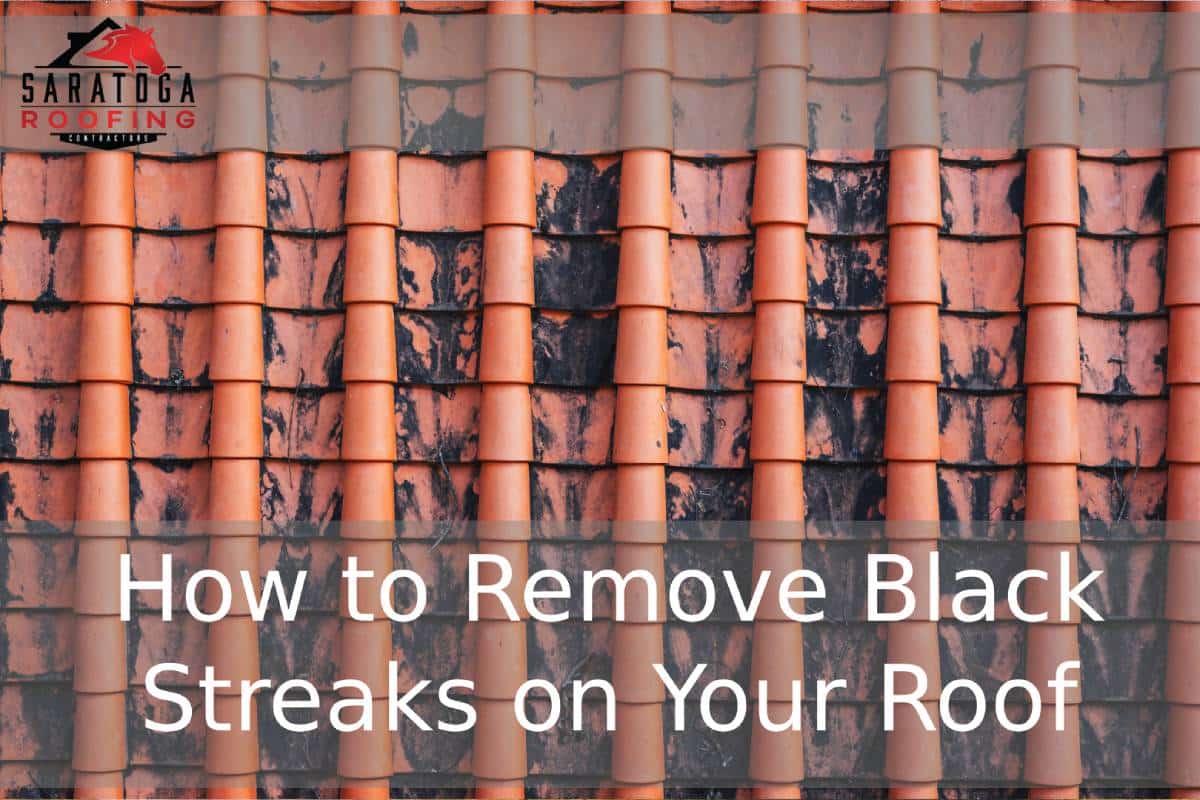
Many homeowners wake up one day to find ugly, dark stains ruining their home’s curb appeal.
You might assume that this discoloration is simply an accumulation of dirt, soot, or standard environmental grime.
In reality, those unsightly marks indicate a much more complex and potentially destructive issue growing right above your head.
Learning how to remove black streaks on roof surfaces is an essential part of responsible property maintenance.
This comprehensive guide will explain the actual biological cause behind these stains and provide actionable steps for effective roof algae removal.
By understanding the science of your shingles, you can safely clean your roof and protect your significant home investment for decades to come.
What Are Those Black Streaks on Your Roof?
The dark discoloration spreading across your shingles is caused by a living organism called Gloeocapsa Magma.
This specific organism is actually a highly adaptable blue-green cyanobacteria rather than standard dirt, mold, or a manufacturing defect in your shingles.
As this bacterium is exposed to the harsh sun, it produces a dark protective sheath to shield itself from damaging UV rays.
This hardened, protective outer layer is exactly what appears as large black streaks on shingles from the ground level.
The bacteria actively feed on the limestone filler utilized in modern asphalt shingles.
Manufacturers commonly use this limestone as a cost-saving material to add weight and durability to the shingle structure.
Unfortunately, this creates an unlimited food source for the cyanobacteria to thrive and multiply.
The organism easily spreads from house to house via airborne spores.
This means that a single infected Gloeocapsa Magma roof can quickly spread the bacteria to neighboring homes throughout your entire subdivision.
NOTE: These streaks are a sign of a live biological organism actively consuming your shingles, which causes granule loss, accelerates UV damage, and can eventually lead to premature roof failure if left untreated.
Why Black Streaks Appear Where They Do
You will almost always notice these stains starting on the north-facing slopes of your property.
These specific areas receive the least amount of direct UV exposure during the day.
This lack of sunlight allows the surface to stay moist for much longer periods after a heavy rain.
You will also frequently spot colonies forming beneath overhanging trees where shade and falling debris encourage severe moisture retention.
The stains typically run in distinct vertical streaks stretching from the ridge down to the gutter line.
This visual pattern occurs because gravity naturally pulls the growing bacterial colonies downward as moisture flows down the roof deck.
Interestingly, these dark marks are often completely absent directly below any metal roof components.
Materials like copper and zinc flashing release metallic ions that are highly toxic to algae and bacterial growth.
Why You Should Not Ignore Black Roof Stains
The most immediate danger of untreated bacterial growth is severe granule loss across the surface of your roofing system.
The growing algae actively consume the crushed limestone granules that physically protect the underlying asphalt from solar radiation.
Once these protective granules detach and wash away, the exposed asphalt layer quickly becomes brittle and begins to crack.
There is also a significant mold risk when dealing with untreated roof cleaning black stains.
When this specific algae combines with a common airborne fungus, they can form a symbiotic organism known as lichen.
Lichen embeds aggressive root-like structures deep into the shingle surface and is incredibly difficult to remove safely.
From a financial perspective, a dark-streaked roof sends an immediate signal of neglect to potential property buyers and professional home appraisers.
In cold-weather environments like Saratoga Springs, NY, this algae retains excess moisture on the shingles.
This trapped moisture significantly worsens the damaging freeze-thaw cycles and actively contributes to destructive ice dam formation during our harsh upstate winters.
Safe DIY Methods to Remove Black Streaks
Method 1 — Bleach and Water Solution (Most Effective)
The most proven chemical method for eradication involves a carefully mixed sodium hypochlorite solution.
You will need to mix one part standard liquid chlorine bleach with one equal part of plain water.
For better adhesion, you can mix in a small amount of trisodium phosphate or a gentle liquid dish soap to act as a chemical surfactant.
Begin the apply cleaning solution phase using a standard low-pressure garden sprayer.
Always work systematically from the top ridge down toward the eave to prevent forcing water upward beneath the shingles.
You must allow the mixture a proper dwell time of 15 to 20 minutes before attempting to rinse the surface.
Gently rinse the dead algae away using a standard garden hose equipped with a basic spray nozzle.
You must meticulously protect your surrounding landscaping with heavy plastic sheeting before beginning this process.
It is absolutely critical to pre-wet all foundation plants and surrounding grass to dilute any accidental chemical runoff.
NOTE: NEVER use a pressure washer on asphalt shingles, as the high-pressure water strips protective granules and significantly shortens roof life, meaning you must always use a low-pressure application only.
Method 2 — Oxygen Bleach (Eco-Friendly Alternative)
Some homeowners prefer to utilize a specialized oxygen bleach powder for a more environmentally conscious approach.
This chemical alternative is less immediately dramatic than chlorine but is vastly gentler on your foundation plants and the surrounding local environment.
It is generally considered the much safer option for application near delicate vegetable beds and expensive ornamental landscaping.
You must carefully follow the specific product directions because this method requires a significantly longer dwell time than standard chlorine.
Popular consumer products for this method include powdered OxiClean and liquid formulations like Spray & Forget.
These gentle solutions are exceptionally well-suited for regular preventative maintenance applications.
Method 3 — Dedicated Roof Cleaning Products
The retail market offers several specialized formulas specifically engineered to clean algae off roof surfaces safely.
Products like Wet & Forget Outdoor utilize a simple spray-on application that requires absolutely no manual rinsing.
This specific formula works very slowly over several weeks as natural rain cycles gradually wash the dead organic material away.
If you desire faster visual results, a specialized Mold Armor roof cleaner provides rapid eradication but does require a manual garden hose rinse.
You should always verify your specific shingle manufacturer’s website for their strictly approved cleaning product recommendations.
Major roofing manufacturers like GAF and Owens Corning publish highly specific cleaning guidelines that must be followed to maintain your warranty status.
NOTE: It is always best to perform this cleaning process on a cloudy day because direct sunlight causes the cleaning solution to evaporate too rapidly, which reduces chemical effectiveness and dramatically increases the risk to your plants from highly concentrated runoff.
What NOT to Do When Cleaning a Roof
You must absolutely never use a mechanical pressure washer to clean an asphalt shingle roof under any circumstances.
The intense water pressure instantly strips away the vital protective granules and will immediately void your expensive manufacturer warranties.
You should never utilize stiff wire brushes or abrasive metal tools during the cleaning process.
These aggressive scrubbing actions will irreparably gouge and destroy the fragile asphalt shingle surface.
You must never attempt to walk on a wet, algae-covered roof surface.
The combination of wet cyanobacteria and soapy cleaning solutions creates an extreme slip hazard even when wearing professional non-slip roofing footwear.
You should not ignore the condition of neighboring shingles or nearby structures during your maintenance routine.
The aggressive algae spores will rapidly re-colonize your freshly cleaned roof if adjacent surfaces remain heavily infected.
Long-Term Prevention — How to Stop Black Streaks from Returning
The most reliable preventative strategy involves installing dedicated zinc or copper metallic strips directly beneath the ridge cap shingles.
Whenever it rains, the water washes safely over these strips and carries natural algae-inhibiting metallic ions down the entire roof surface.
You should also routinely trim any large overhanging tree branches away from the roof deck.
Maintaining a minimum clearance of six feet vastly improves natural airflow and increases the daily sun exposure necessary to keep the shingles dry.
You must consistently keep your gutter systems clean and entirely free of organic blockages.
Clogged exterior gutters cause rainwater to back up beneath the eaves and trap harmful moisture directly on the lower roof surface.
It is also vital to improve your interior attic ventilation by ensuring your soffit and ridge vents are properly balanced.
When the time finally comes to replace your aging roof, you should strongly consider upgrading to premium algae-resistant shingles.
Premium products featuring specialized copper granules cost slightly more upfront but provide verified 25-year protection against future biological growth.
NOTE: Homes located in consistently humid climates, built on heavily shaded lots, or situated in neighborhoods where nearby roofs show rampant algae growth are at the absolute highest risk for recurring infections, making annual preventative chemical treatments far more cost-effective than reactive deep cleaning.
When to Call a Professional Roof Cleaner
There are several critical scenarios where DIY cleaning is no longer the safest or most effective option for a homeowner.
You should hire a professional if the dark streaks currently cover massive portions of the roof or span across multiple steep slopes.
If your specific roof pitch is remarkably steep, attempting DIY access becomes an unacceptable safety hazard.
The visible presence of advanced lichen growth firmly indicates that you require much stronger commercial treatments and professional removal techniques.
If your roofing system is older than 15 years, a professional structural assessment is highly recommended alongside any cosmetic cleaning.
A professional roof cleaning service provides an excellent opportunity to identify severe developing issues before they become disastrous financial burdens.
For local homeowners navigating these exact issues, Saratoga Roofing offers expert assessments to help you determine the safest path forward.
Having a certified technician evaluate your property allows them to spot unrelated storm damage that might require professional roof repair work.
They can also inspect vulnerable roof penetrations during the cleaning process to determine if you need specialized skylight repair saratoga services before water enters your home.
Frequently Asked Questions
Are black streaks on my roof dangerous?
The stains are not immediately dangerous to your home’s underlying wooden structure. However, if left completely untreated, the aggressive Gloeocapsa Magma algae significantly accelerates shingle degradation by continuously consuming the protective limestone granules. Over time, this biological feeding process increases daily UV exposure, causes severe asphalt brittleness, and creates a high potential for structural interior leaks. It also significantly affects your neighborhood curb appeal and overall property resale value.
How long does it take to remove black roof streaks?
When utilizing a properly mixed chlorine bleach solution, highly visible results will appear within 15 to 30 minutes of application. The full darkening effect may take a full 24 to 48 hours to fade completely as the dead algae slowly washes away with natural rainfall. If you choose to use slow-acting environmental products like Wet & Forget Outdoor, it may take several consecutive weeks of natural weather cycles to show the final cosmetic results.
Will the black streaks come back after cleaning?
Yes, without implementing specific preventative measures, the airborne algae typically returns to the shingles within one to three years. You can install protective zinc or copper strips near the roof ridge to continuously fight the bacterial spores. You should also deeply consider applying gentle preventative chemical treatments annually if you live in a highly humid local climate. Upgrading to modern algae-resistant shingles remains the most permanent long-term solution when you eventually replace your entire roofing system.
Is it safe to clean roof algae myself?
DIY cleaning is entirely feasible for easily accessible, low-slope residential roofs when all proper safety precautions are strictly taken. You must always utilize professional non-slip footwear, a safely secured ladder system, heavy chemical gloves, safety eye protection, and ensure you are cleaning only in completely dry weather conditions. Incredibly steep roofs, towering second-story homes, and any visible signs of underlying structural damage absolutely warrant hiring a trained professional contractor.
Do algae-resistant shingles really work?
Yes, modern algae-resistant manufacturing technologies are highly effective at preventing these specific biological stains. Products manufactured with advanced stain-guard technology actively incorporate specialized copper-lined granules that slowly release toxic zinc ions whenever they become wet. This utilizes the exact same biological principle as installing exterior metal strips, but the protection is permanently embedded directly into the shingle itself. They typically cost a fraction more upfront but come heavily backed by impressive 25-year algae resistance warranties that are incredibly valuable in humid climates.

Oleg Levchenko is a co-founder of Saratoga Roofing Co., a licensed and insured roofing contractor serving Saratoga Springs and the Capital Region for nearly a decade.
Building runs in his family – his grandfather, a farmer and builder, rebuilt his village from the ground up after WWII, and that same resilience and craftsmanship shape how Oleg runs Saratoga Roofing today.
Under his leadership, the company has completed hundreds of roof, siding, and gutter projects across Saratoga, Albany, Rensselaer, and Washington Counties, backed by a leak-proof guarantee and a 4.9-star average rating.