Last Updated on May 5, 2026 by Oleg Levchenko
Choosing a new roof can feel overwhelming when you are staring at a catalog of more than 10 different shingle options. Picking the wrong material can lead to higher costs, a shorter lifespan, and poor storm protection for your home.
By the end of this guide, you will know exactly which shingle fits your budget, climate, and personal style. If you are unsure where to start, consulting a local expert like Saratoga Roofing can help simplify the process.
What Are Roofing Shingles and Why Does Your Choice Matter?
Roofing shingles are overlapping waterproof components installed in rows to protect your home from the elements. They provide essential waterproofing, UV protection, insulation, and significantly boost your home’s curb appeal and overall value.
When discussing roof replacements, contractors measure materials in a roofing square, which equals 100 square feet. A typical residential home requires between 22 and 24 squares.
NOTE: Choosing the right types of roofing shingles impacts everything from your daily energy bills to your home’s resale value.
Style vs. Material — A Critical Distinction
Many homeowners get confused by the difference between a shingle’s style and its material. The shingle style refers to its shape or profile, such as 3-tab, architectural, or luxury.
The shingle material refers to its actual composition, like asphalt, metal, wood, composite, or slate.
NOTE: The exact same style can be made from completely different materials, which is why understanding both terms is crucial.
8 Types of Roofing Shingles — Costs, Lifespan & Best Use Cases
1. Asphalt — 3-Tab
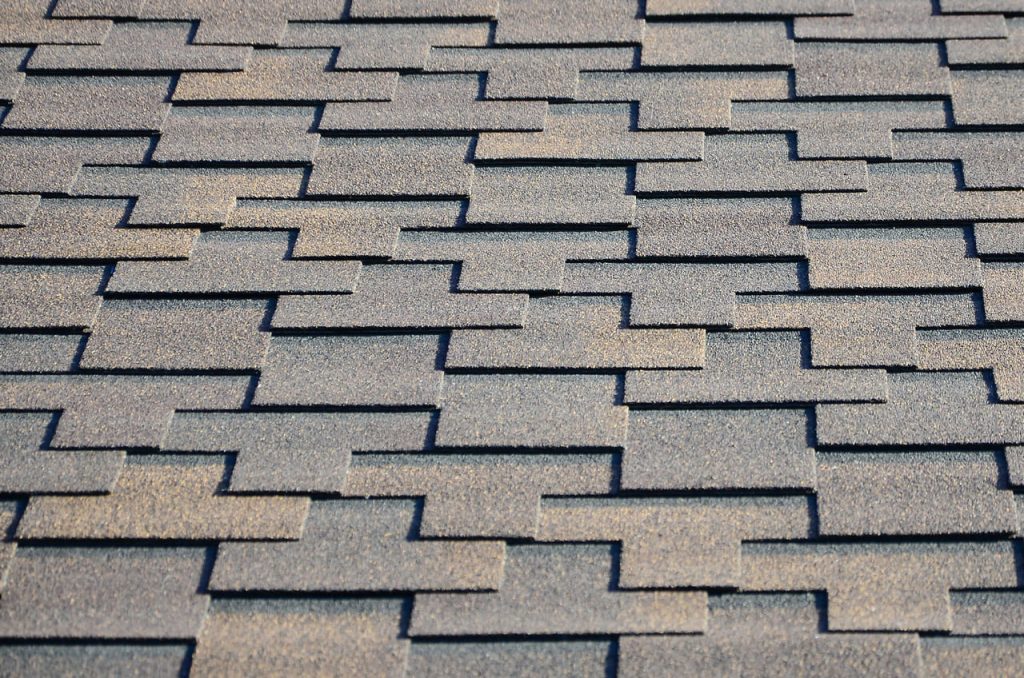
3-Tab shingles are basic, flat asphalt shingles made with a fiberglass base and mineral granules. They are lightweight and easy to install.
- Cost: $0.85–$1.50 per sq ft ($85–$150 per square)
- Lifespan: 15–20 years
- Pros: Very affordable, easy to repair, widely available.
- Cons: Shorter lifespan, lower wind resistance, basic appearance.
- Best For: Budget homes and rental properties.
- Top Brands: GAF, CertainTeed.
2. Asphalt — Architectural
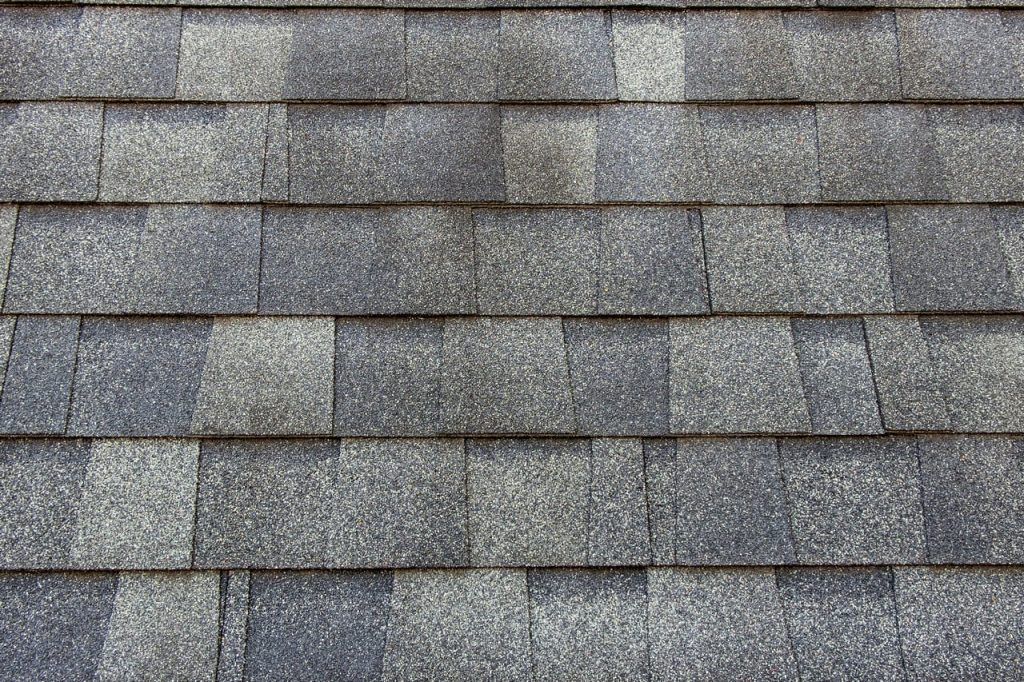
Architectural shingles (also known as dimensional shingles) are thicker asphalt shingles laminated to create a textured, 3D look.
They account for over 75% of new residential roof installs.
- Cost: $1.50–$5.50 per sq ft ($150–$550 per square)
- Lifespan: 25–50 years
- Pros: High durability, excellent curb appeal, strong wind resistance.
- Cons: Heavier than 3-tab, slightly more expensive.
- Best For: Most homeowners and varied climates.
- Top Brands: Owens Corning, GAF.
3. Asphalt — Luxury/Designer
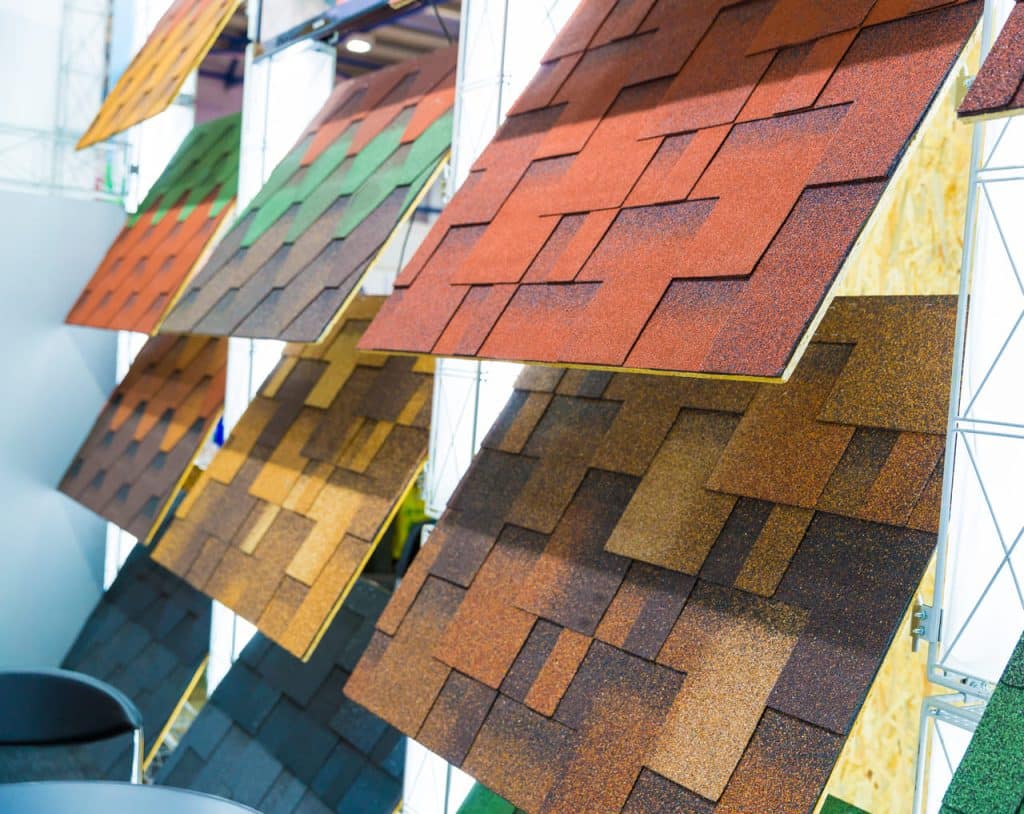
Luxury asphalt shingles are heavy-duty asphalt shingles designed to mimic the appearance of premium materials like slate or cedar shakes.
They offer maximum protection.
- Cost: $2.00–$3.50 per sq ft ($200–$350 per square)
- Lifespan: 30–50 years
- Pros: Premium aesthetics, superior impact resistance, boosts property value.
- Cons: Expensive, requires a structurally sound roof deck.
- Best For: High-end homes wanting a slate or shake look.
- Top Brands: CertainTeed, Malarkey.
4. Metal Shingles
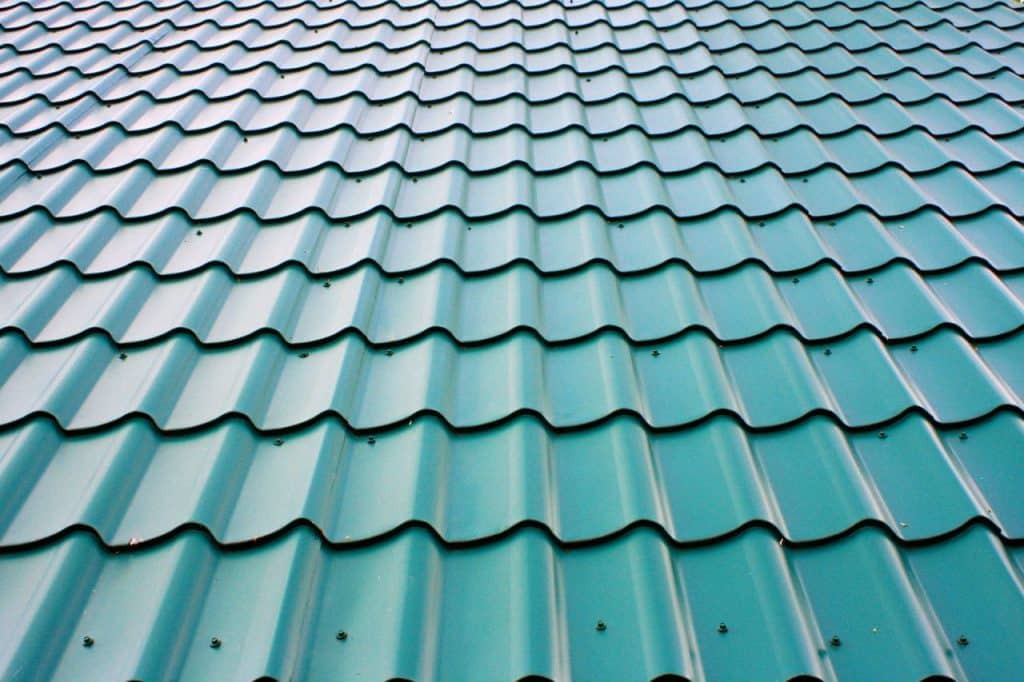
Metal shingles are stamped metal panels designed to look like traditional shingles, wood shakes, or slate.
They are highly reflective and energy-efficient.
- Cost: $5.25–$12.50 per sq ft ($525–$1,250 per square)
- Lifespan: 40–100 years
- Pros: Extremely durable, fire-resistant, reflects heat.
- Cons: High upfront cost, can be noisy during rain without proper insulation.
- Best For: Longevity, energy efficiency, and all climates.
- Top Brands: Decra, Boral.
5. Wood Shingles & Shakes
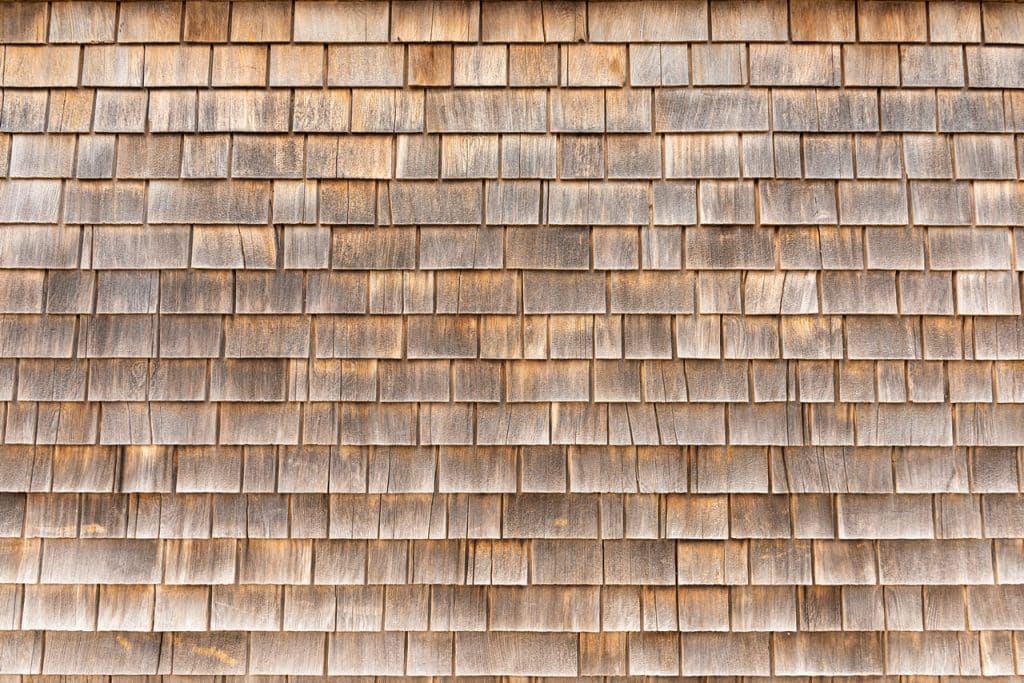
Wood shingles are machine-cut for a smooth finish, while wood shakes are hand-split for a rustic look.
They are typically made from cedar or redwood.
- Cost: $4.00–$7.00 per sq ft ($400–$700 per square)
- Lifespan: 25–30 years
- Pros: Natural beauty, excellent insulation, wind resistant.
- Cons: Requires regular maintenance, poor fire rating unless treated.
- Best For: Rustic or craftsman homes in dry climates.
- Top Brands: Watkins, Waldun.
6. Slate Shingles
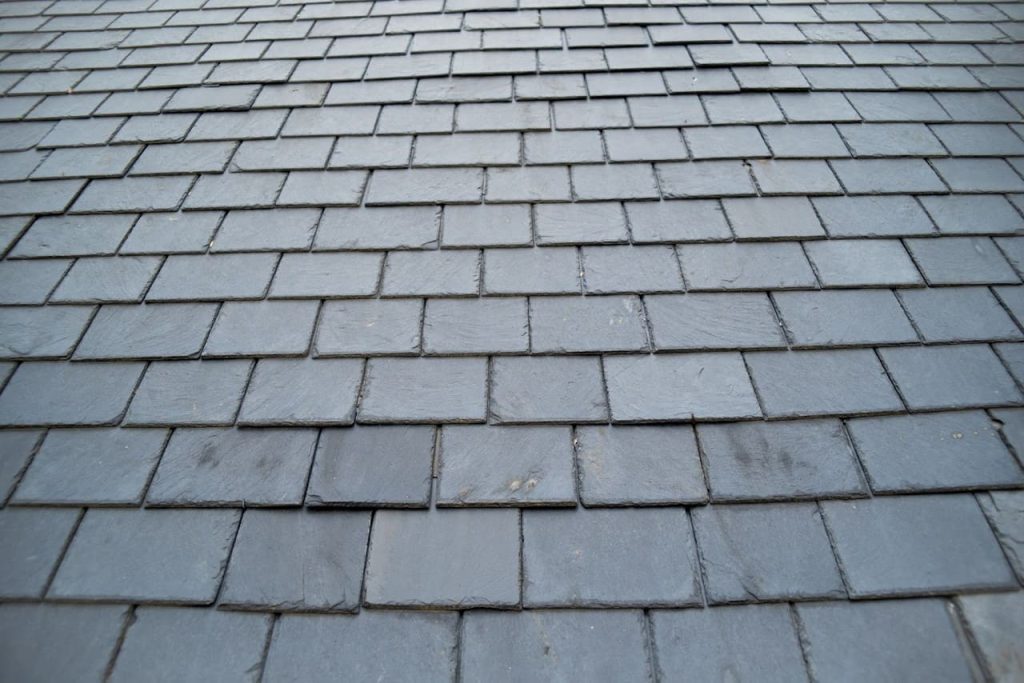
Slate shingles are natural stone tiles quarried and cut to size.
They are incredibly dense and offer a timeless, historic appearance.
- Cost: $10–$20 per sq ft ($1,000–$2,000 per square)
- Lifespan: 75–200 years
- Pros: Unmatched longevity, completely fireproof, environmentally friendly.
- Cons: Extremely heavy, very expensive, requires specialized installers.
- Best For: Historic or luxury homes, especially in the Northeast.
- Top Brands: Evergreen Slate, Vermont Slate.
7. Composite/Synthetic
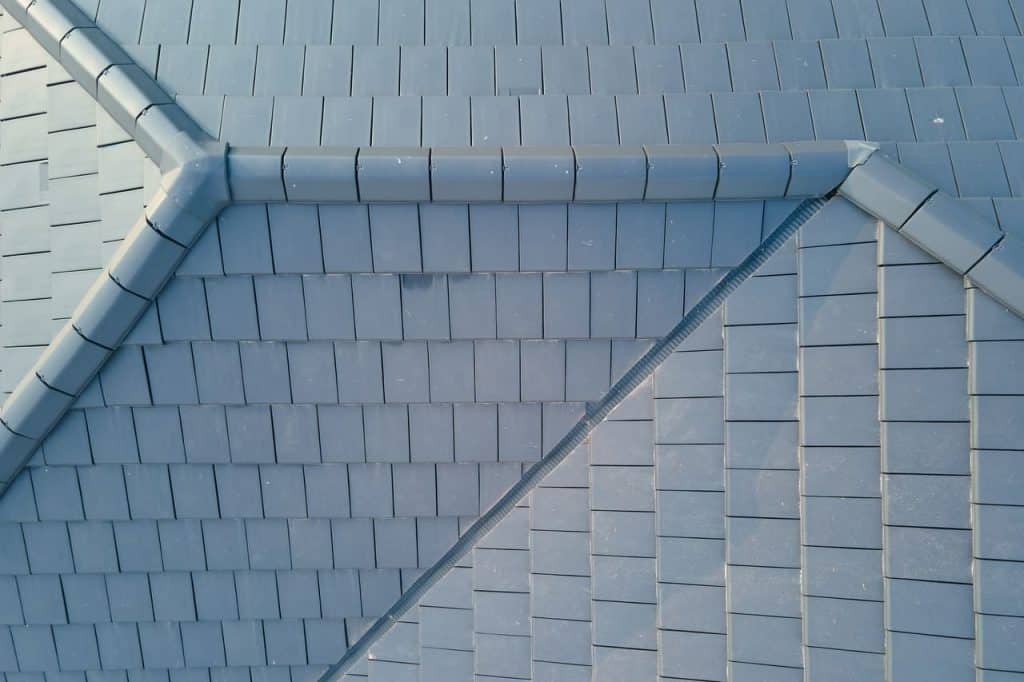
Composite shingles are engineered from recycled plastics, rubber, and polymers.
They closely replicate the look of natural slate or cedar.
- Cost: $7–$10 per sq ft ($700–$1,000 per square)
- Lifespan: 30–50 years
- Pros: Lightweight, highly impact-resistant, eco-friendly.
- Cons: Newer material with less long-term historical data, high cost.
- Best For: Eco-conscious buyers, coastal properties, and HOA areas.
- Top Brands: DaVinci Roofscapes, Brava.
8. Solar Shingles
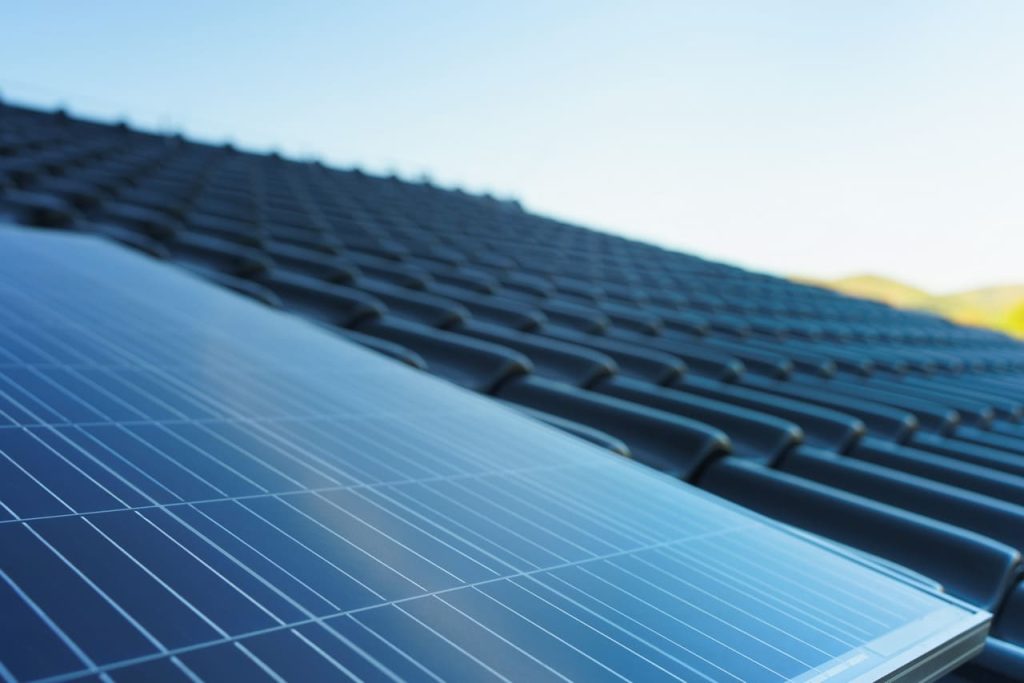
Solar shingles are building-integrated photovoltaics that protect your home while generating electricity.
They blend seamlessly with traditional asphalt roofing.
- Cost: $21–$30 per sq ft ($2,100–$3,000 per square)
- Lifespan: 25–30 years
- Pros: Generates clean energy, sleek appearance, eligible for tax credits.
- Cons: Very high upfront cost, limited availability.
- Best For: Energy generation and modern roofing combined.
- Top Brands: Tesla, Timberline Solar (GAF).
NOTE: Every shingle type offers a unique balance of cost, aesthetics, and protection.
Quick Comparison Table — All Shingle Types Side by Side
Balancing cost, lifespan, and climate is much more important than shopping by price alone. Here is a quick breakdown of your options.
|
Shingle Type |
Cost/sq ft |
Lifespan |
Fire Rating |
Wind Rating |
Best Climate |
|---|---|---|---|---|---|
|
Asphalt — 3-Tab |
$0.85–$1.50 |
15–20 yrs |
Class A |
60 mph |
Mild |
|
Asphalt — Architectural |
$1.50–$5.50 |
25–50 yrs |
Class A |
110–130 mph |
Varied |
|
Asphalt — Luxury |
$2.00–$3.50 |
30–50 yrs |
Class A |
130 mph |
Varied |
|
Metal Shingles |
$5.25–$12.50 |
40–100 yrs |
Class A |
140+ mph |
All |
|
Wood Shingles/Shakes |
$4.00–$7.00 |
25–30 yrs |
Class C (unless treated) |
90 mph |
Dry |
|
Slate Shingles |
$10–$20 |
75–200 yrs |
Class A |
130+ mph |
Northeast/Cold |
|
Composite/Synthetic |
$7–$10 |
30–50 yrs |
Class A |
110+ mph |
Coastal/Varied |
|
Solar Shingles |
$21–$30 |
25–30 yrs |
Class A |
130 mph |
Sunny |
How to Choose the Right Shingle — 6 Key Factors
Budget
Calculate the total cost of ownership rather than just the initial price. Paying for two asphalt roof replacements over 50 years often costs more than a single metal roof installation. Determine your long-term budget before making a final choice.
Climate
Your local weather dictates your roofing needs. High-wind or hail-prone zones require impact-resistant options. Hot climates benefit from reflective metal, while freeze-thaw regions need durable materials that will not crack.
Home Style
Match your roofing shingle materials to your home’s architecture. Traditional colonial homes look great with architectural shingles. Rustic craftsman homes suit wood shakes, while Mediterranean homes often use heavy tile or synthetic alternatives.
HOA & Building Codes
Always check your local building codes and HOA guidelines. Some neighborhoods require specific fire ratings or limit material choices. You might also secure insurance discounts for installing Class 4 impact-resistant shingles.
Roof Slope & Structure
Heavy materials like slate or clay require a steep slope and reinforced structural framing. Always schedule a structural inspection before upgrading from lightweight asphalt to heavy stone.
Energy Goals
COOL shingles can reduce attic temperatures by up to 15°F, saving you money on air conditioning. Metal roofs reflect heat efficiently. Solar shingles provide ongoing energy generation and qualify for a 30% ITC through 2032.
Pro Tip: The team at Saratoga Roofing recommends architectural shingles for most Northeast homeowners because they offer the best balance of weather resistance and affordability.
Common Mistakes When Choosing Roofing Shingles
- Choosing only by price. Opting for the cheapest 3-tab shingle often costs more in the long run due to frequent repairs and early replacement.
- Ignoring climate. Installing wood shakes in a humid, rainy environment leads to rapid rot and decay. Match your material to your local weather.
- Skipping structural checks. Upgrading to a heavy material like slate without reinforcing your roof deck can cause dangerous structural sagging.
- Mixing brands. Using underlayment and shingles from different manufacturers can void your warranty. Always stick to a complete roofing system.
- Neglecting ventilation. Failing to install proper ridge and soffit vents traps heat and moisture, which bakes your shingles from the inside out and drastically reduces their lifespan.
NOTE: Avoiding these common pitfalls will save you thousands of dollars and years of frustration.
FAQ
What is the most popular type of roofing shingle?
Architectural shingles are the most popular choice, accounting for over 75% of new residential installations. They offer a great balance of affordability, durability, and curb appeal, making them the standard recommendation among professional contractors.
How long do roofing shingles last?
Lifespans vary dramatically based on the material. Basic 3-tab asphalt shingles last 15 to 20 years, while architectural shingles last 25 to 50 years. Premium materials like metal can last up to 100 years, and natural slate can endure for over 150 years.
Are architectural shingles worth the extra cost over 3-tab?
Yes, they are highly recommended. For a slightly higher upfront cost, you get double the wind resistance, a thicker physical profile, and a lifespan that is often 10 to 20 years longer than basic 3-tab options.
What shingles are best for high-wind or hail-prone areas?
Metal shingles and Class 4 impact-resistant architectural shingles are excellent for extreme weather. Composite synthetic shingles are also a top tier choice for resisting hail damage and surviving hurricane-force winds.
Can I replace just a few shingles or does the whole roof need replacing?
You can replace a few missing shingles if the rest of the roof is in good condition. However, getting a professional inspection from a trusted company like Saratoga Roofing is crucial to ensure there is no hidden water damage beneath the surface.
Make Your Next Roofing Project a Success
Selecting the best roofing shingles comes down to balancing your budget, your local climate, and your aesthetic preferences.
Now that you understand the different types of roofing shingles available, you can confidently discuss options with your contractor. Remember to prioritize long-term value over short-term savings.
Reviewed by the expert team at Saratoga Roofing.

Oleg Levchenko is a co-founder of Saratoga Roofing Co., a licensed and insured roofing contractor serving Saratoga Springs and the Capital Region for nearly a decade.
Building runs in his family – his grandfather, a farmer and builder, rebuilt his village from the ground up after WWII, and that same resilience and craftsmanship shape how Oleg runs Saratoga Roofing today.
Under his leadership, the company has completed hundreds of roof, siding, and gutter projects across Saratoga, Albany, Rensselaer, and Washington Counties, backed by a leak-proof guarantee and a 4.9-star average rating.