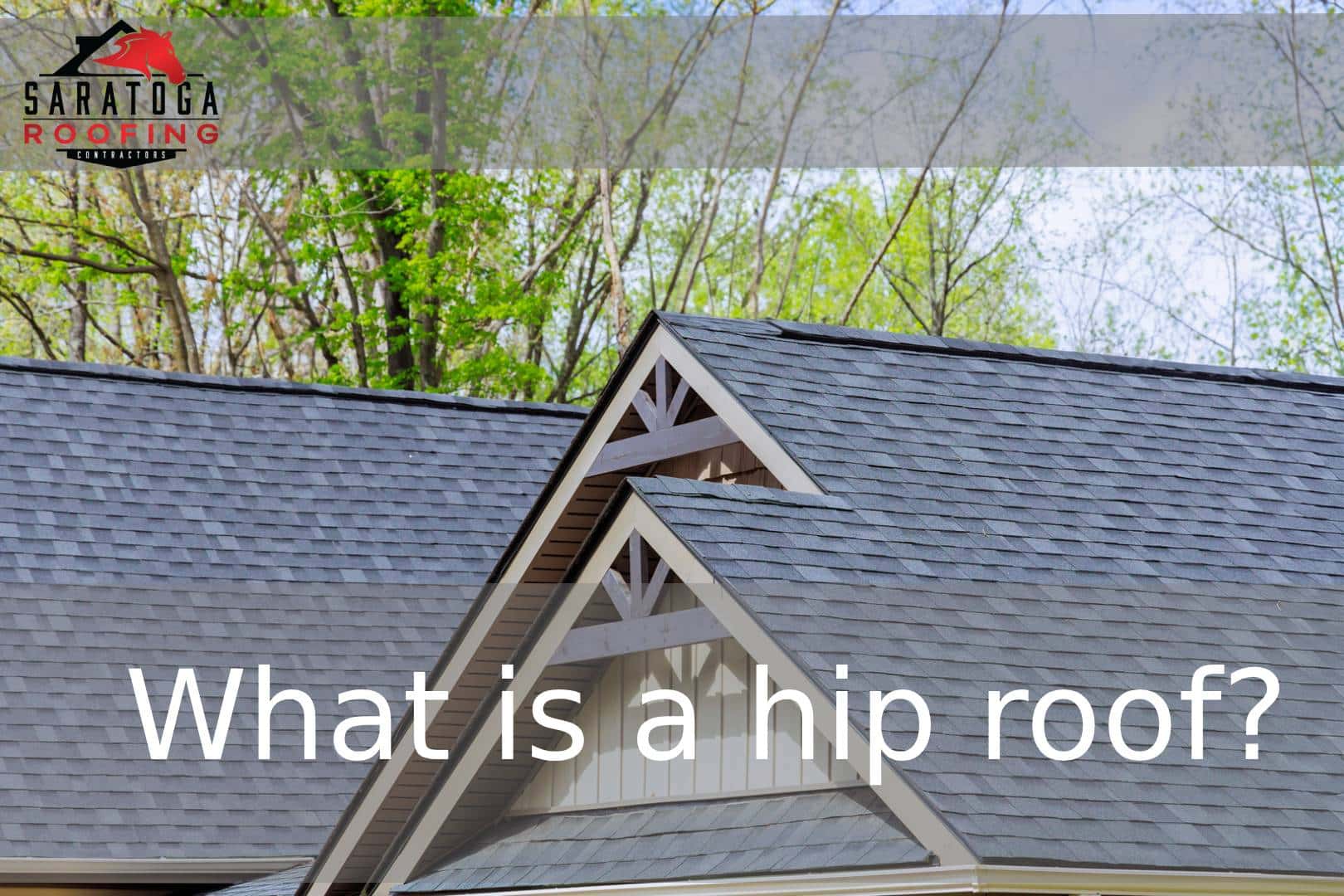
A hip roof is a type of roof design where all sides slope downward to the walls, usually with a gentle pitch.
Unlike the gable style, a hip roof has slopes on all four sides, meeting at the top to form a ridge. There are no vertical ends or flat faces to catch the wind.
This design isn’t just an aesthetic choice; it’s a structural one. Hip roofs are renowned for their stability and durability, particularly in areas prone to high winds.
Understanding how this system works can help you better maintain your home and protect your investment.
NOTE: A hip roof is easily identified by its lack of vertical ends; all sides slope downwards to the walls.
Key Components of a Hip Roof
To understand why this roof style is so sturdy, you need to know its anatomy.
The framing is more complex than standard roofs, involving specialized rafters and angles.
- The Hip: This is the exterior angle where two roof planes meet, sloping downward from the peak.
- The Ridge: The horizontal line at the very top where the roof planes intersect.
- The Valley: A V-shaped channel created where two sloping sections meet at an inside angle, crucial for water runoff.
- The Hip Rafters: These are sturdy beams that extend diagonally from the corners to the ridge.
- Jack Rafters: These are shortened rafters that connect to the hip or valley rafters rather than the ridge.
Advantages of Hip Roofs
Homeowners often choose this design for its resilience. Because all sides slope downward, the roof is aerodynamic.
- Wind Resistance: The self-bracing shape prevents wind from catching a flat vertical surface. This makes hip roofs incredibly resistant to hurricane-force winds.
- Insurance Benefits: Because they are safer in storms, insurance companies often view them favorably. Homeowners in high-wind areas may receive insurance discounts up to 32%.
Maintenance and Emergency Tarping
Even the sturdiest roofs can suffer damage. If leaks occur, tarping is an essential emergency procedure to prevent mold and rot while you wait for repairs.
- Selecting Proper Materials: Do not use canvas. Opt for heavy-duty polyethylene (PE) or UV-treated vinyl that won’t degrade in the sun.
- Tarping: You must pull the tarp over the roof peak to prevent water from running underneath the top edge. This is similar to pulling a hood over your head to keep rain off your neck.
- Essential Safety Measures: Never attempt to tarp a roof during a storm. Always inspect the roof from the ground first to ensure structural stability before climbing.
When to Contact a Professional
While minor maintenance can be handled by homeowners, structural repairs require experts.
The complex geometry of a hip roof means that improper repairs can lead to significant water damage.
Whether you need a full roof replacement or a new roof installation, it is vital to consult professionals like Saratoga Roofing.
Additionally, maintaining the rest of your home’s exterior is just as important.
If your home requires new siding to match your roof’s aesthetic and durability, a professional contractor can ensure a cohesive, weather-tight envelope for your house.
Summary of Benefits
A hip roof offers a unique blend of symmetry, beauty, and brawn. Its sloping sides provide excellent drainage for rainwater, while its aerodynamic shape offers superior protection against wind damage.
While it may cost slightly more to construct than a gable roof, the long-term benefits in durability and potential insurance savings often make it a wise investment for homeowners.
Frequently Asked Questions
What are the signs that my hip roof needs replacement?
Look for cracked, curled, or missing shingles. You should also check for interior water stains on ceilings or walls, which indicate leaks.If your roof is approaching 20-25 years of age, have it inspected by a professional.
Are hip roofs more expensive than gable roofs?
Yes, generally.Hip roofs are more expensive to build because they require more complex framing (hip and jack rafters) and use more roofing materials than a simple gable design.
Do hip roofs have ventilation issues?
They can be harder to ventilate because they lack gable ends for vents. However, ridge vents and soffit vents are effective solutions used by professionals to ensure proper airflow.Can I install gutters on a hip roof?
Absolutely. In fact, gutters are very effective on hip roofs because the roof slopes on all four sides, allowing for a continuous gutter system around the entire perimeter of the home.Is a hip roof good for snowy climates?
Yes. The steep slopes on all sides encourage snow to slide off rather than accumulating, which reduces the risk of roof collapse under heavy snow loads.