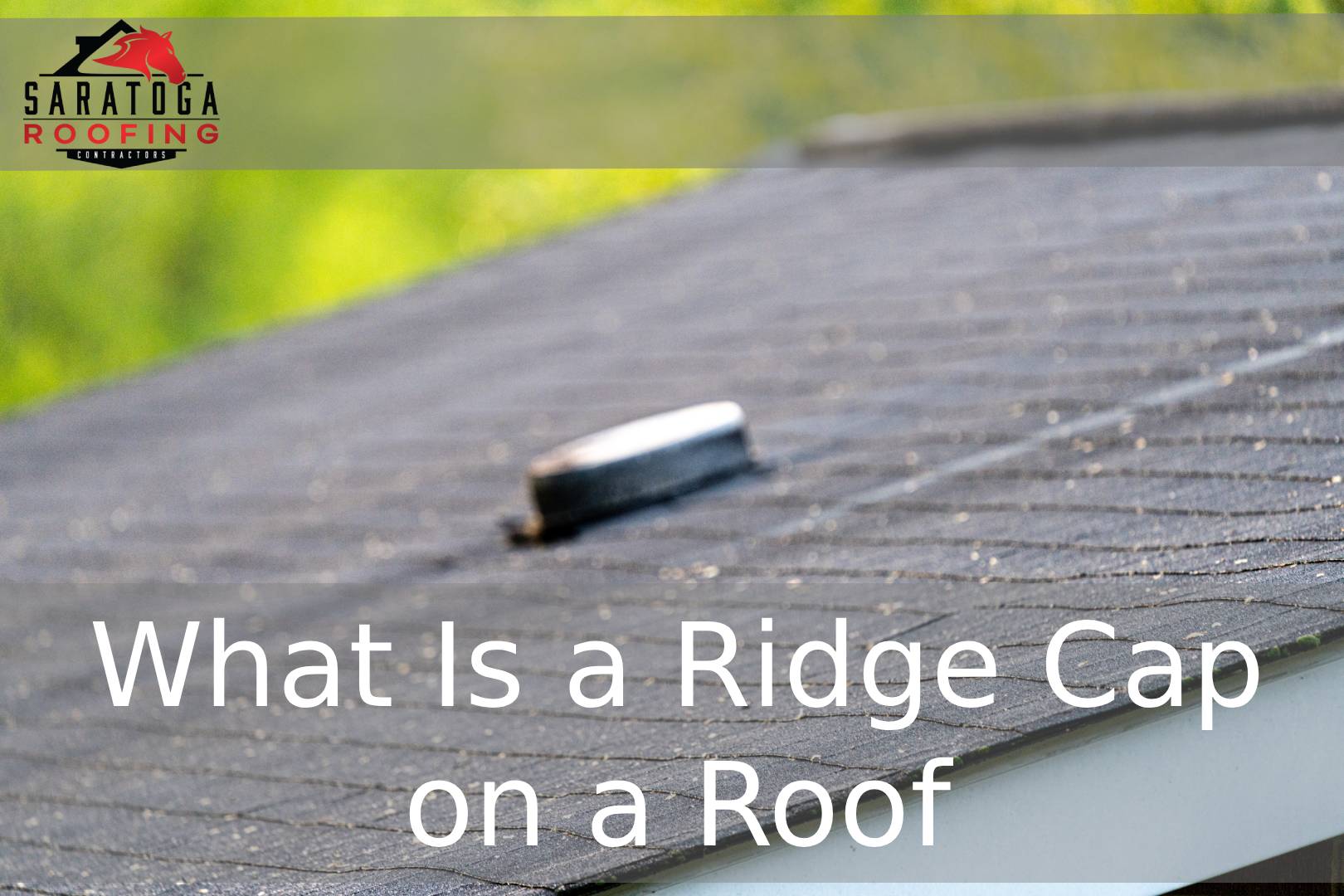

Most homeowners easily recognize standard architectural shingles but completely overlook the critical component sitting at the very top of their home.
The ridge cap serves as the ultimate crowning feature of your residential roofing system.
Understanding this essential weatherproofing element is crucial for protecting your property against the harsh elements we experience here in Upstate New York.
What Is a Ridge Cap?
A ridge cap consists of specially designed shingles that securely cover the horizontal peak of a roof.
This vital component runs directly along the highest angled peak where two opposing roof slopes intersect.
Roofers typically construct these caps using highly durable asphalt, metal, or high-profile composite materials.
NOTE: The ridge cap acts as your home’s absolute first line of defense against severe wind-driven rain and snow.
Why Is a Ridge Cap Important?
This specialized covering effectively seals the highly vulnerable gap that naturally occurs where two roof slopes physically meet.
A properly installed cap actively prevents water infiltration and combats dangerous ice dam formation during brutal Upstate NY winters.
When combined with a dedicated ridge vent system, it provides essential attic ventilation that keeps your entire home energy-efficient.
Upgrading this top-level component instantly improves your home’s curb appeal by creating a clean, finished look visible from the street.
Types of Ridge Caps
Standard Ridge Cap Shingles
These represent the most common residential option, featuring pre-bent asphalt designed to seamlessly match your primary roof covering.
High-Profile Ridge Cap Shingles
Premium options like Owens Corning DecoRidge offer a noticeably thicker, dimensional look that adds striking architectural depth.
Metal Ridge Cap
Contractors specifically utilize a metal ridge cap to permanently seal the peaks of standing seam or corrugated metal roofing systems.
|
Type |
Material |
Best For |
Lifespan |
|---|---|---|---|
|
Standard |
Pre-bent asphalt |
Budget-friendly asphalt roofs |
15-20 years |
|
High-Profile |
Layered composite |
Premium architectural appeal |
25-30+ years |
|
Metal |
Steel or aluminum |
Metal roofing systems |
40-50+ years |
Ridge Cap vs. Regular Shingles: What’s the Difference?
The fundamental key differences between these materials involve their overall thickness, manufactured shape, and specific nailing patterns.
You absolutely cannot use standard flat shingles at the peak because they will quickly crack when bent over the sharp angle.
Attempting to cut corners with regular shingles inevitably leads to catastrophic water infiltration and expensive structural rot.
|
Feature |
Ridge Cap |
Regular Shingles |
|---|---|---|
|
Design |
Pre-bent to fold over peaks |
Flat for sloped surfaces |
|
Thickness |
Extra thick for maximum durability |
Standard thickness |
|
Flexibility |
Highly flexible to prevent cracking |
Rigid and prone to snapping |
|
Application |
Installed exclusively at the roof peak |
Installed across the entire roof deck |
Signs Your Ridge Cap Needs Replacement
You should immediately inspect for missing or severely cracked ridge cap shingles after major local storm events.
Noticeable granule loss concentrated directly at the ridge indicates that the protective material has reached the end of its functional life.
Any visible gaps at the roof peak expose your vulnerable wooden decking to rapid moisture decay.
Finding ominous interior leaks near the ceiling center often points directly to a failing peak seal.
NOTE: Our local Upstate NY freeze-thaw cycles dramatically accelerate ridge cap wear compared to milder, southern climates.
How Ridge Cap Installation Works
Step 1: The first crucial step requires technicians to carefully remove the old ridge cap without damaging the surrounding field shingles.
Step 2: Professional roofers will meticulously inspect and repair the protective underlayment resting directly at the structural peak.
Step 3: Contractors then precisely install a rigid ridge vent if the home’s attic ventilation strategy requires it.
Step 4: Installers must carefully nail the ridge cap shingles in a specific overlapping pattern to shed water correctly away from the peak.
Step 5: The final step involves using premium roofing cement to seal exposed nail heads against persistent moisture penetration.
If you are building a new property, securing proper roofing installation services guarantees these peak components function perfectly from day one.
Practical tip from a professional roofer: Always ensure your installer uses longer roofing nails for the ridge cap to successfully penetrate through the multiple layers of shingles and securely bite into the wood deck below.
How Much Does Ridge Cap Replacement Cost?
A targeted repair typically ranges from $300 to $900, depending entirely on the total linear footage and chosen material quality.
Homeowners must realize that replacing the cap alone acts as a temporary patch if the entire roofing system is actively failing.
If the underlying field shingles are brittle and crumbling, you likely need a comprehensive roof replacement service to truly protect your property investment.
FAQ
1. How long does a ridge cap last?
A professionally installed ridge cap typically lasts 15 to 30 years, closely mirroring the lifespan of the primary architectural shingles beneath it.
2. Can I replace just the ridge cap without replacing the whole roof?
Yes, professional contractors can easily replace just the damaged peak shingles, provided the rest of your roof remains in excellent overall condition.
3. What happens if I don’t replace a damaged ridge cap?
Ignoring this crucial damage allows direct water entry that rots the roof deck, breeds toxic mold, and ultimately destroys your interior ceilings.
4. What is the best ridge cap shingle brand?
As a proud Atlas Pro Diamond Select and Owens Corning certified contractor, Saratoga Roofing Co. highly recommends Owens Corning DecoRidge for unmatched durability and dimensional beauty.
5. How do I know if my ridge cap needs repair or full replacement?
An expert evaluation of the surrounding shingle flexibility and granule retention will definitively determine if you need targeted roof repair services or a total roof replacement.